See common examples of maladaptive behavior in ABA, what each can mean, and how individualized ABA supports safer, clearer alternatives for your child.

It can hurt to hear your child's behavior described as "maladaptive." It may sound like a judgment, but it isn't. In ABA, this word simply means a behavior that gets in the way of your child's safety, communication, or daily life in a certain setting. It does not define your child.
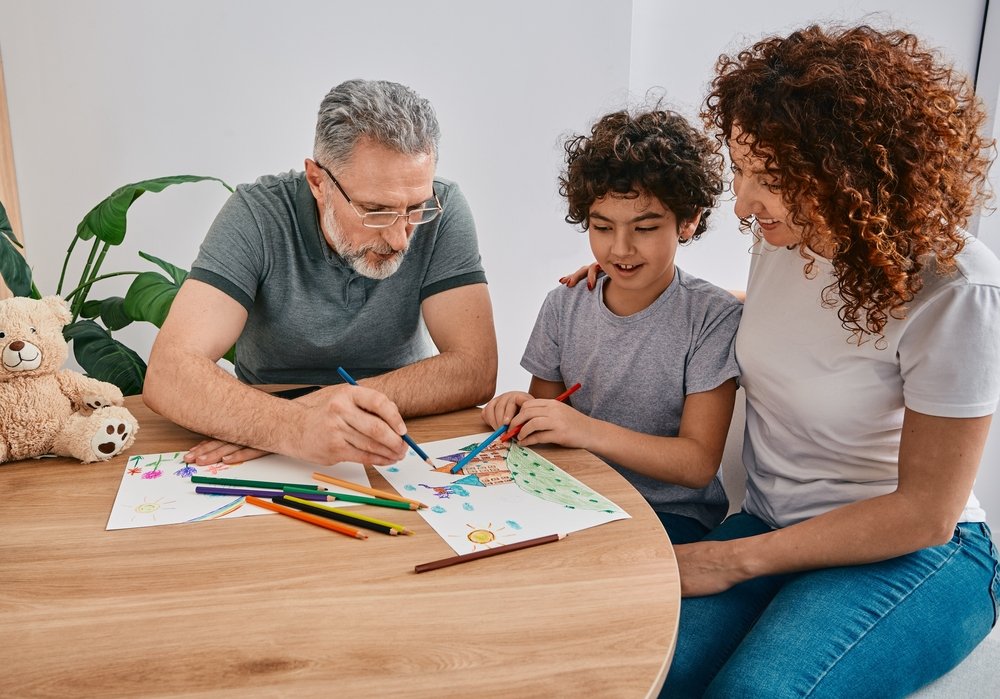
This list explains the maladaptive behaviors parents most often hear about in ABA, what each might mean, and how individualized ABA can help. Most children with autism show only a few of these behaviors or none at all. No single behavior means something is wrong.
What Does Maladaptive Mean in Psychology?
Maladaptive means a behavior or response that makes it harder for someone to function in a certain situation. The American Psychological Association defines maladaptation as behavior patterns that work against a person or make it hard to handle daily challenges. These two words go together. Maladaptive is an adjective that describes a behavior or pattern. Maladaptation is a noun that means adapting in a way that does not work. In ABA, you will usually hear "maladaptive."
There are two important things for parents to know. First, the meaning depends on context: running is fine on a playground but dangerous in a parking lot. Second, the word describes a behavior, not the child. Just because a behavior looks unusual or is inconvenient for adults does not make it maladaptive. In ABA, the team looks at what the behavior costs your child in safety, comfort, communication, or access to activities.
List of Maladaptive Behaviors in ABA
Any of the behaviors listed below can happen for different reasons in different children or for different reasons in the same child on different days. Use these as examples, not as a checklist.
Behaviors that carry a safety risk
- Aggression toward others includes hitting, kicking, biting, or scratching. This often happens when a demand is made, something is taken away, or a situation seems overwhelming, and the child has no quicker way to express it. Safety is always the top priority for your child and those around them.
- Self-injurious behavior includes head banging, hitting, or biting one's own body. The first thing to look for is pain. Ear, dental, and stomach problems can look like self-injury in a child who cannot say where it hurts, so call your pediatrician before assuming the cause is behavioral.
- Elopement means leaving a classroom, yard, or caregiver without warning, sometimes heading toward water or traffic. Some children run toward something they want, while others run away from noise or crowds.
Behaviors that get in the way of everyday life
- Intense distress episodes include tantrums and meltdowns, such as crying, screaming, or dropping to the floor, sometimes for a long time. These are not a tactic. They usually mean a child has run out of ways to cope. Teams look at what happened before and after the episode, since both affect what happens next.
- Disrupting activities or materials can include throwing, tearing, sweeping items off a table, or bumping over a block tower. Sometimes this ends a task the child cannot do yet. Sometimes it gets a reaction or a turn. Sometimes it just feels good.
- Difficulty with transitions, or refusal, can look like freezing, protesting, or saying no when an activity starts or stops. Refusal is often a child's way of saying "I need more warning" or "this is too hard."
Behaviors to look at carefully before calling them a problem
- Repetitive movements and routines include hand flapping, rocking, spinning, lining up objects, or repeating favorite phrases. For many children, these actions are calming and harmless, and a good team does not target them just because they look different. They are only addressed if they cause injury or distress, or prevent your child from doing something they want.
What Are Common Signs of Maladaptive Behavior in Children With Autism?
There is no single sign, and no list can tell you for sure. What matters is the pattern around the behavior. A behavior should be looked at more closely when it:
- Puts your child or someone else at risk of getting hurt
- Happens often or intensely enough to disrupt sleep, meals, school, or family time
- Seems to cause your child distress
- Keeps your child out of activities they want or need to join
- Starts suddenly or changes sharply, which can point to pain, illness, or a change in routine
If you notice a sudden change, you should call your pediatrician first. NICE guidance for children with autism says to screen for pain, stomach problems, noise, and lighting before looking at other causes.
Next, start taking notes. Write down what happened before, what the behavior looked like, what happened right after, and the time and place. A week of notes gives your provider more helpful information than any checklist.
What Causes Maladaptive Behaviors?
No single cause explains every behavior. Common reasons include asking for something or help, trying to get an item or activity, wanting to avoid something hard or overwhelming, reacting to noise, light, or other sensory input, or feeling physical discomfort. These are starting points for assessment, not conclusions about your child.
Two children might hit for completely different reasons, and one child might hit for different reasons on different days. That is why a qualified professional looks at the behavior in context rather than guessing based on how it appears. NICE says that challenging behaviors in children with autism have many causes, including physical health, mental health, and the environment. A good assessment looks at all of these factors, not just the behavior.
How Does ABA Therapy Address Maladaptive Behaviors?
Individualized ABA begins by figuring out what a behavior does for your child, then teaches a safer skill that meets the same need. The first step is a functional behavior assessment. A Board Certified Behavior Analyst (BCBA) observes your child, talks with you, and records what happens before and after the behavior. This makes the plan based on real reasons rather than guesses.
What does a behavior assessment involve?
Procedures vary by provider and by child, but most assessments follow the same pattern:
- A conversation with you about what you see, when it happens, how long it has been happening, how your child sleeps and eats, any medical history, and what you have already tried. You know things about your child that no observation can reveal.
- Observation. The BCBA observes your child where the behavior occurs, such as at home, at daycare, or at a center.
- Data. The team records what happened before, what the behavior looked like, what happened after, and how often, how long, and how intense it was.
- A working explanation is the team's best idea of what the behavior is for. It is a starting guess that can change as more data is collected, not a final answer.
- A plan with goals you agree on. Which behaviors to address, which skills to teach in their place, and how success will be measured.
- Regular review means checking progress against the data and changing the plan when needed.
In some cases, a team tests its guess under monitored conditions. If yours suggests that, they should explain why, how they will keep your child safe, and what you will see. You can ask for that explanation at any point.
Which strategies work best?
Common approaches include:
- Functional communication training. Teaching your child to ask for a break, help, or a turn using words, signs, pictures, or a device. The Association for Science in Autism Treatment reports that autism treatment task forces support it and that it starts with an assessment of the behavior's function.
- Adjusting the setting or the demand. This includes shorter tasks, advance warning before a change, a quieter space, and a visual schedule.
- Teaching replacement skills. Waiting, accepting "not yet," and coping skills for hard moments.
- Reinforcement means rewarding the new skill with things your child truly enjoys, so the new way works better than the old one.
- Tracking and adjusting means the team reviews progress regularly and changes the plan if something is not working.
- Working with you is important. Strategies that work only in a therapy room don't help at home in the evening, so a good plan includes you and your child's other caregivers.
The list should not include punishment, ignoring real distress, or teaching a child to hide harmless traits. A quiet, compliant child is not always doing well. ABA does not replace medical care, speech therapy, or occupational therapy if your child needs them.
Maladaptive Behavior Examples and the Skills That Can Replace Them
The goal of a plan is to teach a new skill that functions better for your child than the old behavior. These examples show how a team might approach this. The right skill depends on the assessment.
|
Behavior |
What it may be saying |
A skill a team might teach |
|
Hitting when a toy is taken away |
"That's mine" or "I wasn't done" |
Saying or signing "my turn" and "all done," plus waiting for a turn with a visual cue |
|
Dropping to the floor at cleanup time |
"I need more time" or "this is too hard" |
Using a visual timer, then a card or word to ask for five more minutes or for help |
|
Bolting from the classroom |
"It's too loud" or "I need out" |
Handing over a break card and using a quiet spot the child can choose |
|
Throwing materials during a task |
"I can't do this yet" |
Asking for help, with the task broken into smaller steps |
|
Head banging late in the day |
Possibly pain, exhaustion, or overwhelm |
Medical check first. The skill, if any, depends on what the assessment finds |
Questions to Ask a Provider About Your Child's Behavior
A good provider will welcome these questions. If the answers are vague, that is important to notice too.
- How will you find out what the behavior is for before you set a goal?
- Which behaviors are you proposing to change, and why those? Are any harmless ones being left alone?
- What skill will my child learn to use instead?
- How will my child say "no," "stop," or "I need a break," and what happens when they do?
- How will you examine for pain or other medical causes, and will you talk with our doctor?
- How will you measure progress, and how often will I see the data?
- What happens if my child is very distressed during a session?
- How will the plan carry over to home and school?
- Who supervises the plan, and how often will I meet with the BCBA?
- What would make you change the plan?
Staying Safe While You Wait for Support
Evaluations, approvals, and scheduling can take time, but tough days do not wait. These steps are not a substitute for a plan from a qualified professional, but they can help lower risk while you wait:
- If someone is in immediate danger or your child is badly hurt, call 911.
- Call your pediatrician about self-injury, a sudden change in behavior, or ongoing sleep problems.
- If your child tends to run, add door alarms or extra locks, and stay close by near water, parking lots, and busy streets.
- Tell your child's school or daycare what you're seeing at home, and ask what they're seeing there.
- Keep taking notes. Ask your provider if short video clips would help, and who should see them.
Behavior is a form of information. Before anyone tries to change it, someone should ask what it is telling you and what your child needs to be safe, understood, and included. If you are not sure where to start, reach out. We can help with insurance, paperwork, and talk through what support might look like for your family.
Frequently Asked Questions
Does my child need an autism diagnosis to start ABA at Circle Care?
Yes. Circle Care serves children with an autism diagnosis. For insurance-covered ABA, we require a diagnosis and a referral. If your child hasn't been evaluated yet, we can point you to diagnostic providers.
Is maladaptive behavior a sign of autism?
No. The behaviors on this list aren't diagnostic criteria, and many children with autism never show several of them. A diagnosis comes from a qualified evaluator, not from a behavior list.
Should I talk to my pediatrician before starting ABA for a behavior?
Yes, especially if the behavior is new or changed suddenly. Pain, illness, and sleep problems can look like behavior problems, and they need a medical answer first.
Can maladaptive behaviors in autism be completely eliminated?
Not reliably, and complete elimination isn't always the right goal. Some behaviors fade as a child gains communication and coping skills, some change form, and some are harmless and shouldn't be targeted at all.
Can a behavior come back after it improves?
Yes. Behaviors can resurface during illness, a move, a new school, a change in routine, or a stressful stretch at home. That's common and doesn't mean the plan failed. Tell your provider as soon as you notice a change so the team can review the data and adjust the plan.

HELP FOR THE HARD PART OF THE DAY.
When the next tantrum hits... do you feel prepared, or do you feel stuck trying to figure out what to do? Get weekly emails from clinicians and parenting experts who know what to do when autism meets real life!

GOT A QUESTION?
You don’t have to be “ready” for anything to get help from our team. If you have a question about your child, ABA, screening, or anything about autism… give us a call anytime.