For those with autism, for whom traditional forms of communication can often feel like a distant language, music offers a particular resonance. Learn more about the link between music and Autism.

We've all felt that stirring within the soul when the first notes of a familiar song play or the unspoken connection that blooms when sharing a tune with someone. This intrinsic need to connect, to be understood is fundamental to who we are as humans. While speech may sometimes fail us, music rarely does. It transcends spoken words, becoming a bridge for emotions and ideas. For those with autism, for whom traditional forms of communication can often feel like a distant language, music offers a particular resonance. It becomes more than just a pleasant sound; it becomes a means of traversing the complex labyrinth of emotions, feelings, and expressions.
The Power of Music
Have you ever had those moments where a song feels like it's speaking directly to your soul, echoing your deepest emotions? Or when a lullaby soothes a restless child and an anxious heart? That's music in its purest form, a balm for the restless spirit, and a connector of worlds. Beyond its captivating melodies and beats, the music evokes memories, feelings, and thoughts we didn't even know we had. For those with autism, music takes on an even more profound role. It isn't just a form of entertainment or a pastime. It's a doorway to understanding, a conduit for expression, and a means of anchoring themselves in a world that sometimes seems overwhelmingly chaotic. Through rhythms, harmonies, and melodies, they find an avenue to express, share, and, most importantly, connect with others on a level that words might never reach.
How Music Can Help People with Autism
Music isn't just a form of entertainment; it's a dynamic force with an innate ability to touch the soul and transform lives. For people with autism, its influence is even more profound. Here's how music becomes more than just a series of notes for individuals with autism:
Regulating Emotions and Enhancing Behavior
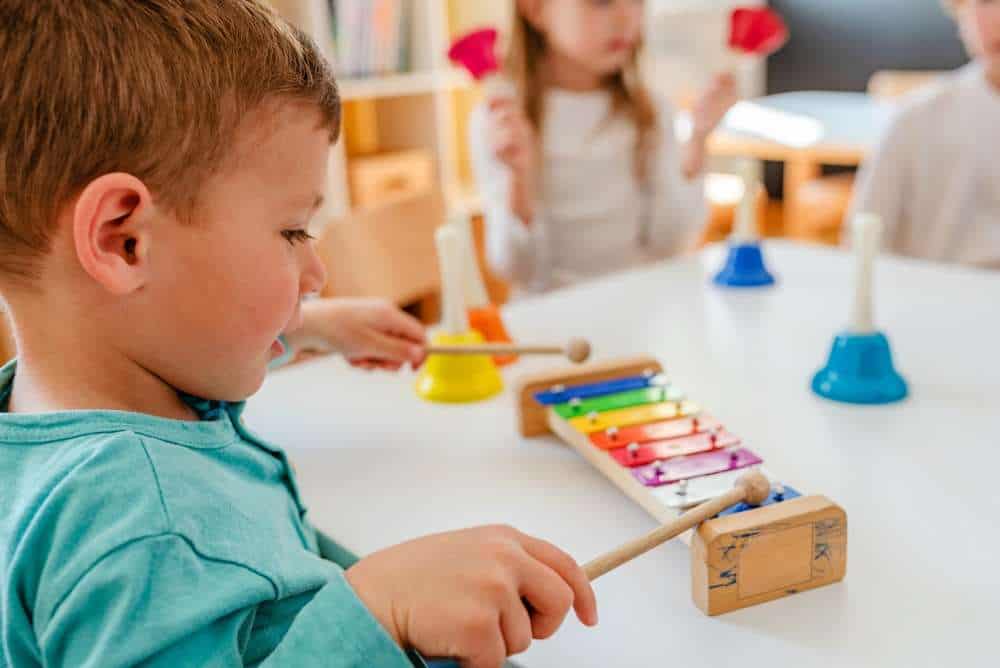
Imagine feeling a whirlwind of emotions with no outlet to channel them effectively. This is often the reality for those with autism. Enter music – a universal solace. The gentle lull of a piano piece can soothe anxiety, while a spirited drumbeat might channel pent-up energy. It's like having an emotional guide; music can direct feelings and energies, improving mood and behavior. Over time, as individuals with autism identify the tunes that resonate with their emotional state, they can harness music as a self-regulation tool, helping them navigate their emotional world with more clarity.
Bridging the Communication Gap
Language is multifaceted. It isn't just words; it's a look, a touch, a dance step, or a rhythm. For some with autism, traditional conversation can be a challenge. However, music offers an alternative. Tapping a beat, swaying to a rhythm, or humming a tune can all be ways to connect, to say, "I'm here, and I feel this." It's heartwarming to think that while words might be few, a musical connection can spark countless conversations filled with genuine understanding and empathy.
A Canvas for Emotional Expression
Imagine having a burst of joy or a moment of sadness and no way to share it. Frustrating, right? Music provides individuals with autism with a beautiful and vast canvas to paint their emotions on. It can be through belting out their favorite song, moving gracefully to a melody, or immersing themselves in the world of music with headphones on. Every note listened to, every lyric sung, and every dance step taken becomes a stroke of their emotional brush, painting a vivid picture of their inner world for others to appreciate and understand.
The Benefits of Music at Home
With its all-encompassing charm, music isn't just something to be appreciated in concert halls or therapy centers. Its magic can permeate the very walls of our homes, weaving wonders as it does. Here's how introducing a melodic touch to everyday life can be immensely beneficial:
Dancing
Imagine a living room transformed into a mini dance floor, where beats guide tiny feet, swaying arms, and gleaming eyes. Dancing isn't just about following a rhythm; it's a full-body workout. For children with autism, it's not merely exercise – it's joy in motion. Every step, twist, and jump is not just a dance move but a milestone in improving motor skills, balance, and spatial awareness. And the best part? They're having heaps of fun without even realizing they're working out!
Turning Daily Tasks into Musical Adventures
Routine tasks can sometimes feel, well, routine. But what if brushing teeth came with a jingle or setting the table was accompanied by a catchy tune? Introducing music to everyday chores or activities doesn't just make them engaging but also memorable. It gives children with autism cues and associations, turning potentially mundane tasks into anticipated daily highlights.
Cultivating a Musical Mindset
Music isn't just about listening; it's about understanding and creating. For children with autism, diving deep into the world of tunes can be an enriching experience. Experimenting with different instruments, recognizing varied pitches, or even attempting to replicate rhythms can be instrumental (pun intended!) in developing cognitive, auditory, and motor skills. Plus, there's the sheer thrill of producing a sound or a tune, a joy unparalleled, adding a note of achievement to their repertoire of skills.
Music touches and evokes emotions in ways words often cannot. For individuals with autism, music doesn't just touch; it embraces creating pathways of communication and realms of joy that bridge any perceived gaps. It's not about hitting a note or keeping a rhythm; it's about finding a voice, expressing oneself, and feeling deeply connected to the world around them. So, while therapies and interventions hold their merit, let's not forget the profound impact of a simple melody or the strumming of a guitar. Because, in the grand orchestra of life, music brings everyone together, irrespective of their challenges or abilities.
Dig Deeper with ABA Therapy
While music is a profound medium, combining it with structured interventions like ABA therapy can amplify its effects. ABA, or Applied Behavior Analysis, offers insights, strategies, and techniques tailored to each child, fostering holistic growth. Why stay on the surface when a depth of potential is waiting to be tapped? Start ABA therapy today, empower your child with the tools they need, and celebrate every milestone, big or small. Ready to take the next step? Sign-up for more info like this and contact Circle Care. We'll navigate this path hand-in-hand, creating harmonies of hope and progress.

HELP FOR THE HARD PART OF THE DAY.
When the next tantrum hits... do you feel prepared, or do you feel stuck trying to figure out what to do? Get weekly emails from clinicians and parenting experts who know what to do when autism meets real life!

GOT A QUESTION?
You don’t have to be “ready” for anything to get help from our team. If you have a question about your child, ABA, screening, or anything about autism… give us a call anytime.