You’d think the hard part would be getting the diagnosis.
For a lot of parents, it isn’t.
The hard part can comes right after, when someone says, “ABA therapy can really help,” and your next thought is: “Okay great… but will my insurance actually cover it?”
So you look into BlueCross BlueShield. And suddenly everything gets confusing; you’re reading policy language, trying to understand approvals, and second-guessing every step.
The reality is coverage for ABA therapy is often there. It’s just not always explained in a way that feels clear or straightforward at the start.
That’s what this article is here to do: walk you through it in a way that makes sense, so you can move forward with a more confidence.
What people assume about insurance vs reality
A lot of families start with one of two assumptions. Either “insurance will take care of this "or “this is going to be a nightmare”.
But the truth sits somewhere in the middle.
BlueCross BlueShield doesn’t randomly approve or deny ABA therapy. There’s a structure behind it. Once you see how that structure works, the process stops feeling unpredictable.
Does BlueCross BlueShield cover ABA therapy?
In many cases, yes.
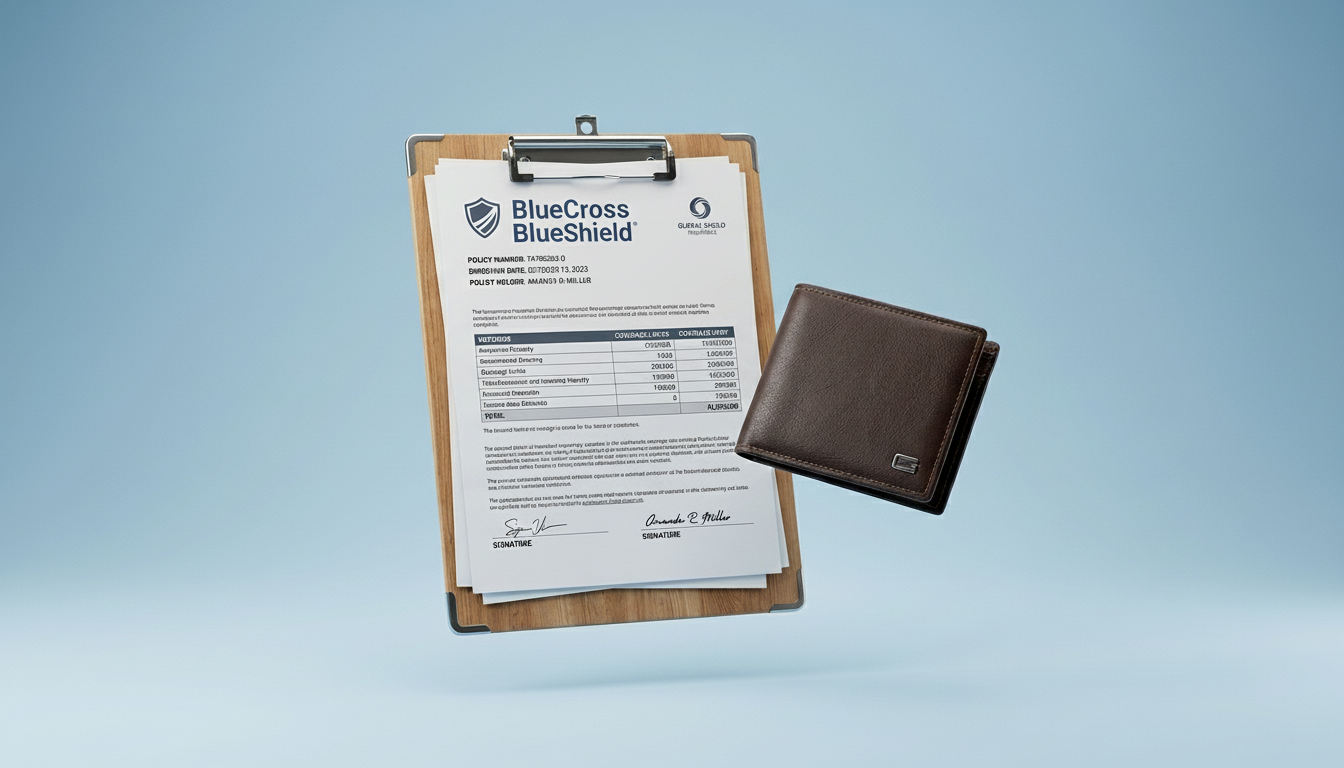
BlueCross BlueShield insurance for ABA therapy is often included in plans that offer behavioral health benefits, especially when autism services are part of the coverage.
But approval depends on how clearly the need is shown. Not just that your child has a diagnosis, but that therapy is appropriate, necessary, and supported by a clear treatment plan. Insurance companies are looking for a story that makes sense on paper.
When that story is well documented, coverage is much more likely to follow. If you want to understand how these decisions are made, you can review the clinical policy guidelines here, or look at how insurers structure ABA coverage in documents like this provider resource guide.”
What actually determines if you’re approved
This is where things either move smoothly or get stuck. Approval isn’t based on one single factor. It’s a combination of a few key pieces coming together:
- A formal autism diagnosis
- A detailed ABA assessment
- A treatment plan that explains goals and expected outcomes
- A provider who knows how to submit everything correctly
If even one of those pieces is unclear or incomplete, delays can happen. That’s why two families with the same insurance can have completely different experiences.
What the process feels like (step-by-step, minus the jargon)
From the outside, this whole thing can feel like you’ve accidentally signed up for an advanced course in “Insurance Language 101.” Forms, approvals, reviews, sounds like a lot.
But once you’re in it, it’s actually far more straightforward than it gets credit for.
It starts with the diagnosis, then an evaluation where a BCBA really gets to know your child and builds a plan around what they need. That plan gets sent off to BlueCross BlueShield for review, and once it’s approved, you’re good to go.
After that, therapy gets underway, progress is tracked, and things are re-evaluated over time. And the best part is you’re not the one chasing all of this. A good provider handles the back-and-forth, so you can stay focused on your child instead of refreshing your inbox waiting for updates.
Can therapy happen at home?
This question usually comes up fast. Not because someone told you to ask it, but because you already know that your child feels safest at home.
The good news is that BlueCross BlueShield often does cover in-home ABA therapy, especially when those everyday moments are exactly what needs support.
And that’s where it clicks. Not in theory, but in real time, in your actual routine.
That said, some children really do benefit from a clinic environment too. Different setting, different rhythm. It’s less about what sounds best on paper and more about what genuinely works for your child day to day.
The cost side no one explains clearly
This is the part that tends to catch people off guard.
You hear “it’s covered,” and for a moment, that feels like a huge relief. Then the actual numbers start showing up, and suddenly you’re trying to figure out what “covered” really means in your situation.
Nothing is hidden. It is just rarely explained in a way that feels clear the first time around.
Depending on your plan, you might still have a deductible to meet, ongoing copays, or higher costs if you go out of network without realizing.
And this is where it gets frustrating. Two BlueCross BlueShield plans can look almost identical on paper yet lead to completely different out-of-pocket costs.
If you want a clearer picture of what that can look like in real life, this guide on the cost of ABA therapy with and without insurance breaks it down in a way that’s much easier to make sense of.
When things get denied (and why)
Getting a denial can feel like a punch in the gut.
You’ve already done the hard part. You’ve followed the steps, had the conversations, lined things up and then suddenly, it’s a no.
Except most of the time, it’s not really a no.
It’s more like something didn’t line up the way the insurance company needed it to. A form missing here, a plan not detailed enough there, maybe approval wasn’t in place yet, or the provider wasn’t in-network.
It’s super annoying but it’s not ususally final. Many of these decisions come down to how everything is written and submitted. When that gets fixed, you can then get approved.
Making the process easier on yourself
It’s easy to feel like you need to understand every rule before you begin.
You don’t.
Starting can be as simple as calling your plan, asking about ABA therapy coverage, checking if approval is needed, and making sure your provider knows how BlueCross BlueShield works.
Once those pieces are in place, things usually start to move.
And if you’re also thinking about what makes a provider the right fit beyond just insurance, this guide on finding quality ABA therapy helps you see the bigger picture.
Final thoughts
Trying to figure out insurance while supporting your child can feel like a lot at once.
BlueCross BlueShield insurance for ABA therapy is not always simple, but it is also not as complicated as it first feels.
Once you understand how it works and have the right support in place, it becomes something you can move through step by step, not something you have to fight through.
FAQ’s
Does BlueCross BlueShield always cover ABA therapy?
Not always. Coverage depends on your specific plan and whether requirements like diagnosis and medical necessity are met.
How long does approval take?
It varies, but most approvals take a few weeks once documentation is submitted.
What if my claim is denied?
It can often be appealed or corrected. Denials are commonly linked to missing or unclear information rather than outright refusal.