Experience the transformative impact of ABA hierarchy on nurturing growth through guided learning.
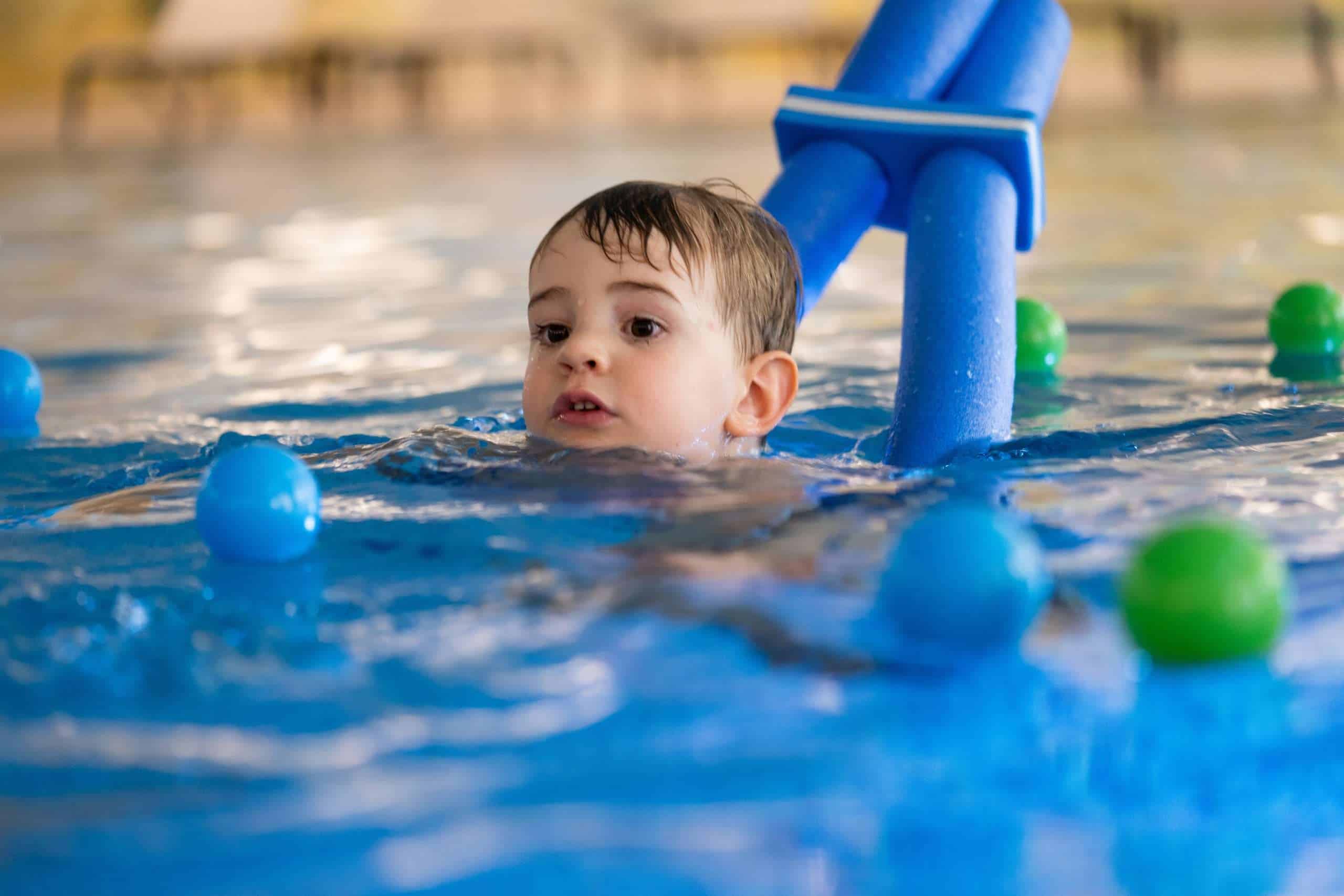
When you think of pools, you might picture sunshine, beach chairs, and long summer afternoons. But did you know that time in the water is actually one of the most effective forms of therapy? For many kids with autism, aquatic therapy can be a game changer.
Provided by certified swim instructors, PTs, OTs, and other therapists, aquatic therapy benefits kids on many levels. Parents report that their children appear happier when they receive personalized therapy in the pool, and therapists note that water therapy enhances children's progress.
Benefits of water therapy for autism
Swimming lessons are essential for water safety. But that’s not all. Water therapy for kids with autism boosts their progress in an unusually powerful way. Studies show that learning swim techniques with a therapist can help build fine and gross motor skills, give active children a healthy outlet, and equip children with autism to interact with their peers.
Here are 8 major impacts that swimming and aquatic therapy have for kids with autism:
It keeps kids safe
People with autism are often attracted to water. For children, especially younger children or those who can’t call for help, water safety skills are essential. Drowning is the #1 cause of child autism deaths. That’s why it’s so important to teach children to swim as early as possible. If a child knows how to float, swim, tread, and paddle, they can keep themselves safe if they end up in the water.
It helps kids self-regulate
Water is calming, and swimming is a great way to let out energy. Many parents find that their children are happier and more at ease in the water — and that can last once they come out of the pool, too. What’s more, swimming instructors often teach breathing techniques that kids can use at other times to regulate and calm themselves down.
It provides a sensory experience
Aquatic therapy and sensory regulation are connected. Water pressure and resistance provide constant, balanced sensory input in the water. This has a calming effect and makes it a comfortable place to learn new skills. It also makes it easier for kids to feel what they are doing with their bodies as they work on building skills.
It promotes healthy social interaction
The pool is a social environment where there are usually other kids. Spending time in the water with a therapist can help kids learn positive ways to interact with others. And swimming is a huge social activity for kids, especially in the summer. If a child with autism can swim, they can join peers in their activities, share a common interest, and build friendships.
It builds confidence and self esteem
There’s nothing as exhilarating for a child as doing something they thought they couldn’t do. Whether it’s the freeing feeling of jumping into the water, the joy of floating for the first time, or taking strokes, aqua therapy provides a unique opportunity for kids to feel great about themselves.
It improves motor skills and balance
Did you ever do a backflip in the water? Everyone can do things in the water that they find hard to do on land. That’s why aqua therapy is so powerful. What’s more, we need to use certain muscles to navigate the water, giving an added edge to any physical therapies that are practiced in the pool.
It builds language skills
Aqua therapy often helps children speak. Therapists incorporate songs and games, and they’ll ask the child questions that encourage them to respond. Water is calming, so many children are less anxious in the water, making it easier for them to communicate. Swimming also strengthens oral motor skills (think blowing bubbles), which in turn improves speech and articulation skills.
It’s engaging
Practicing skills on land can be boring and tedious, but the pool provides an easy way to make it fun. A child might not enjoy practicing breathing techniques, but they’ll have fun blowing bubbles. All different skills can be practiced in the water, and it’s exciting and enjoyable because it’s a swimming activity.
Aqua therapy and ABA
Swimming lessons together with ABA therapy can be a powerful combination. When ABA therapists and swim instructors partner up, the results speak for themselves. Often, the pool is the perfect place to practice new skills in a public setting without the stares and judgement they might face in other public places. Since it is a private location but one where there are other (often unfamiliar) people, many therapists find it very helpful and convenient for generalizing learning goals.
Instructors at Aquatic Life, Circle Care’s partnered swim team in Nevada, are experts in integrating therapies with swimming instruction. They invite ABA therapists and RBTs to join kids at the pool for structured water fun that's designed to promote water safety and skills. The swimming instructors work closely with the kids' therapy teams to provide a well-rounded, integrated approach that supports their development across different settings. The pool becomes an extension of the therapy process. Parents note that their children make significant progress after the water therapy sessions and are happier, too. The hardest part is getting the kids to come out of the pool at the end of the session!
data-instgrm-version="14">
When ABA therapists come to the pool, they can support kids on things they're working on in their therapy sessions, like transitions, getting dressed, and staying calm in a public setting. Swimming instructors can communicate with the therapists about what the kids are working on, so they can incorporate those goals into the swimming lessons. This helps round out the therapy the kids receive so they are equipped to succeed.
Frequently Asked Questions
What is aquatic therapy for autism?
Aquatic therapy is a type of therapy conducted in the water by certified instructors, physical therapists, or occupational therapists. For children with autism, it helps build motor skills, language skills, and social engagement in a calming, sensory-friendly environment.
What are the benefits of swimming for kids with autism?
Swimming helps improve motor skills, provides sensory regulation, encourages social interaction, builds confidence, strengthens language skills, and ensures water safety — which is crucial since children with autism are often attracted to water.
How does aquatic therapy help with sensory processing?
The water offers constant, gentle resistance and pressure, creating a sensory-rich environment that can be calming for children with autism. It helps them process sensory input better and improves their body awareness and balance.
Can aquatic therapy improve language skills?
Yes, many therapists incorporate songs, games, and prompts in the water to encourage communication. Water's calming effect can make it easier for children to express themselves, and activities like blowing bubbles help with oral motor development, which is important for speech.
Is it safe for children with autism to swim?
Safety is a top priority. Teaching children

HELP FOR THE HARD PART OF THE DAY.
When the next tantrum hits... do you feel prepared, or do you feel stuck trying to figure out what to do? Get weekly emails from clinicians and parenting experts who know what to do when autism meets real life!

GOT A QUESTION?
You don’t have to be “ready” for anything to get help from our team. If you have a question about your child, ABA, screening, or anything about autism… give us a call anytime.