Discover the mechanisms of the brain's response to autism and learn how this learning disability affects the nervous system. Uncover the latest research and findings to gain a comprehensive understand
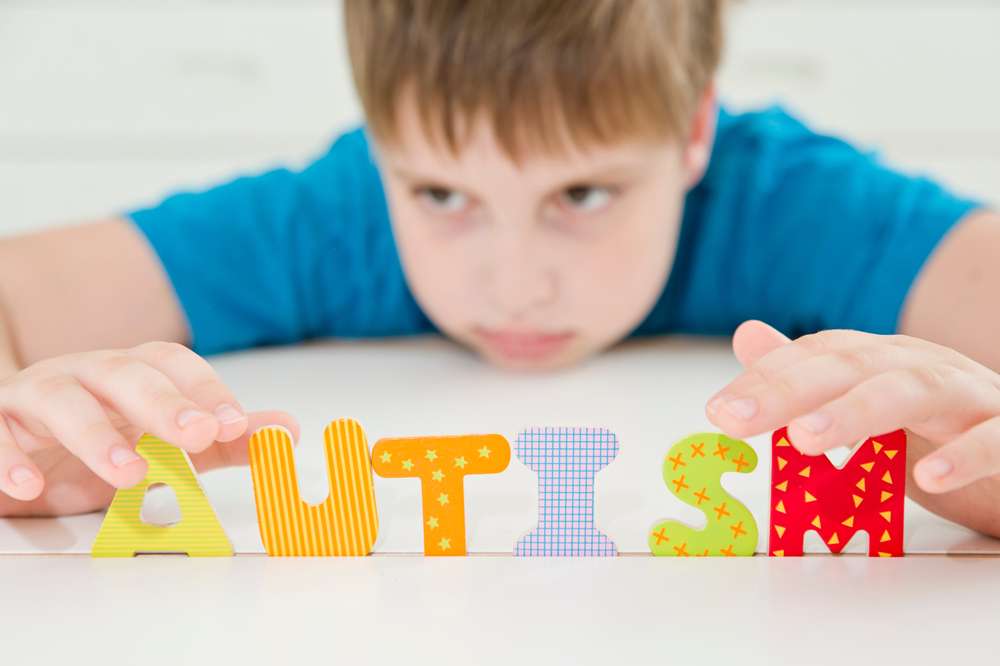
Think of autism as a unique coloring of the brain's development. Every child with autism brings their own special set of colors, showing us just how varied and wonderful brains can be. From the get-go, autism has a hand in shaping how a child's brain grows and connects. This means each child with autism will show their own mix of actions, feelings, and ways of learning, like different stories in the same book on the autism spectrum.
Brain Development and Autism: A Unique Journey
From the moment they begin their journey in life, children with autism embark on a distinctive path of brain development. This journey is akin to wandering through a less traveled, yet richly diverse forest, full of unique paths and experiences. Each child discovers their route, painting a vivid picture of actions, reactions, and developmental strides. Research reveals the vast diversity in these developmental patterns, as varied and special as the children themselves. Embracing this wonderful diversity in brain development enables us to appreciate the individuality of each child's journey. It calls on us to approach them with understanding and celebrate their ways of interacting with the world. This journey isn’t just about understanding autism; it's about understanding and valuing the unique world each child with autism lives in.
Specific Brain Areas Affected
When we explore how autism affects the brain, it's like looking at a map filled with different paths and landmarks. Each part of the brain has its own role, and in autism, these roles can be different. Let's take a closer look at three important areas:
Hippocampus: The Memory Keeper
This area, central to memory and learning, may operate specially in children with autism, influencing how they remember events and interact with their environment, providing a unique lens through which they view their world.
Amygdala: The Emotion Center
Essential for emotional processing, the amygdala's varied activity in autism can lead to diverse emotional experiences and reactions, particularly in social settings, adding depth and variety to the emotional lives of these children.
Cerebellum: The Movement Maestro
Associated with movement and coordination, the cerebellum's unique activity patterns in children with autism affect their physical interactions with the world, from playful activities to everyday tasks.
These brain areas, in their distinctive functioning, shed light on the diverse learning patterns and sensory experiences common in children with autism. Understanding these differences allows us to better support and connect with each child, valuing their unique interaction with the world around them.
Variations in Brain Function
Autism introduces a spectrum of unique brain function variations that distinctly influence how children interact with their environment and others. These variations are key to understanding the individual experiences of children with autism.
Communication Skills
The way children with autism process and use language can be unique. Some might find verbal communication challenging, while others may have a rich, albeit unconventional, vocabulary. This diversity in communication styles can lead to innovative ways of expression and understanding.
Social Skills
Navigating the social world can be different for children with autism. They might interpret social cues and interactions in their own way or show varying levels of interest in social engagement. Understanding these differences can provide insights into their perspective and help foster meaningful connections.
Sensory Processing

Sensory experiences can be intense or subdued in autism. This can affect everything from how a child responds to a loud noise to their preference for certain clothing textures. Recognizing these sensory preferences is crucial for creating comfortable and supportive environments.
These brain function variations are not just challenges but are aspects of the unique lens through which children with autism view the world. Embracing and understanding these differences enriches our perspective and aids in providing supportive and effective care.
Embracing the Spectrum with Circle Care
Autism's unique impact on the brain reflects the individuality of each child it affects. Understanding these varied influences enables us to provide more effective and empathetic support, valuing their distinct abilities and challenges. At Circle Care, we're committed to this journey of understanding and support.
With resources like Applied Behavior Analysis (ABA) therapy, tailored to each child's needs, we offer impactful assistance. Start ABA therapy with Circle Care today to help your child thrive. By embracing these personalized approaches, we foster a world that celebrates the diverse spectrum of human experiences. Interested in learning more? Sign up for updates from Circle Care to stay informed about the latest in autism support and therapies.

HELP FOR THE HARD PART OF THE DAY.
When the next tantrum hits... do you feel prepared, or do you feel stuck trying to figure out what to do? Get weekly emails from clinicians and parenting experts who know what to do when autism meets real life!

GOT A QUESTION?
You don’t have to be “ready” for anything to get help from our team. If you have a question about your child, ABA, screening, or anything about autism… give us a call anytime.