"Why is your kid acting so weird?" Such moments can be both upsetting and disheartening. Click here to learn some helpful responses to rude comments about your child with Autism.
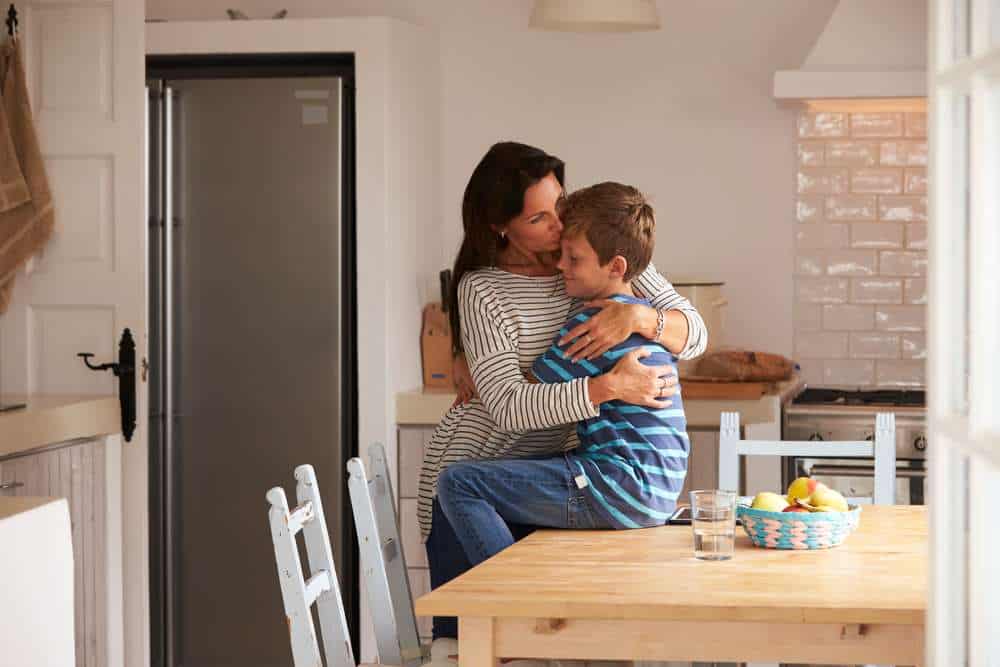
Picture this: you're in a grocery store with your child who has autism. The noise and bright lights are pushing their sensory threshold. You can see their discomfort as they cover their ears, look overwhelmed by the bustling environment, and begin to lose it. Noticing the commotion, a fellow shopper gives an inappropriate stare or a hurtful comment. "Can't you control your child?" Or "Why is your kid acting so weird?" Such moments can be both upsetting and disheartening. But remember, you are not alone, and there are many helpful responses to rude autism comments you can use in such situations.
It's easy to let emotions take control when someone makes a hurtful comment about your child. However, try to maintain composure and respond thoughtfully rather than reacting impulsively. Take a moment to compose yourself before replying. Your aim is not to escalate the situation but to advocate for your child.
Advocate for Your Child and Highlight Their Strengths
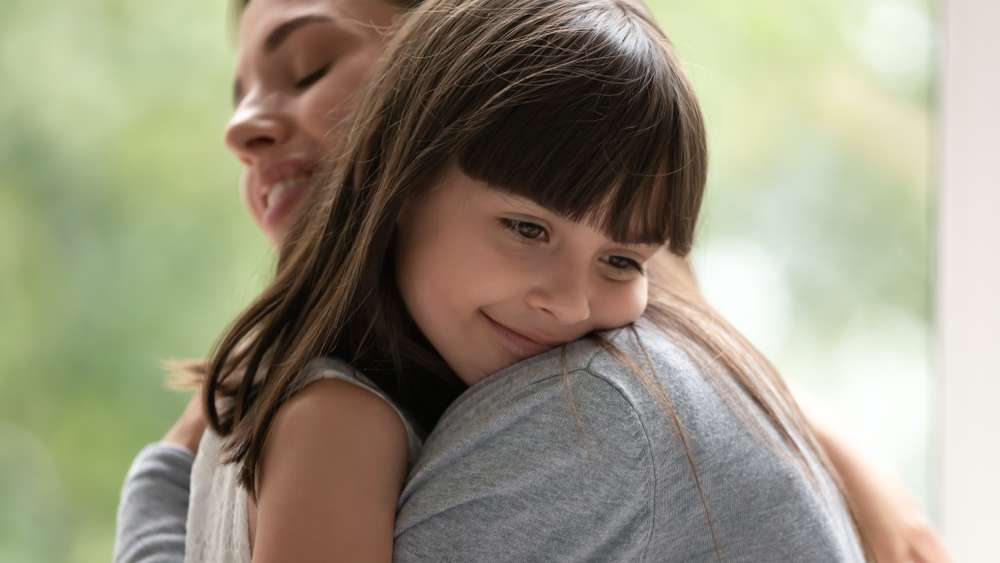
Start by affirming the value of your child. Each child with autism is unique and brings a special perspective to the world. In response to rude comments, confidently speak of your child's strengths and the strides they've made. For instance, you might say, "Yes, my child may struggle with social situations, but he pays incredible attention to detail and has an extraordinary memory. Isn't that amazing?"
As your child grows older, they will inevitably face inappropriate comments or stares. Help them prepare for these situations by teaching them suitable responses. It's crucial to remind them that their worth isn't defined by others' opinions or lack of understanding. This will build their confidence and equip them to handle such incidents independently.
Take This Opportunity to Educate Them
Ignorance often drives inappropriate comments about autism. Respond with facts about autism, such as, "Did you know autism affects 1 in 54 children in the US? It's a spectrum disorder that can impact social interactions, communication, and behavior." The goal is not to embarrass, but rather to shed light on autism's complexities and promote empathy.
Participating in autism awareness initiatives or sharing your experiences and your child's unique talents, can help break down stereotypes and promote a more accepting and inclusive environment.
Push Back and Establish Boundaries
The saying, "It takes a village to raise a child," rings true, but remember that you are the leader of your child's village. You know your child best. Don't hesitate to establish boundaries with those making rude comments. Stand firm and say, "Thank you for your concern, but as their parent, I am well equipped to support my child's needs."
An empathy statement can help shift the perspective of the person making a rude comment. For example, you might say, "If this were your child, how would you feel about the comment you just made?" Often, this can help the person reflect on their words and encourage them to reconsider their perspective.
Ignore the Rude Comments
Sometimes, the best response is no response. Not every comment deserves your energy or attention. It's okay to give the cold shoulder, to walk away, or simply smile and carry on. Protecting your peace and your child's well-being is the priority.
After any of these encounters, it's vital to talk to your child. Affirm your love for them, validate their feelings, and reaffirm their worth. Encourage your child's self-confidence and resilience amidst these challenging experiences. Understanding how to deal with ignorant people can be a challenge. Through autism education, firm boundaries, and confident responses, we can change perceptions and promote a more inclusive society. Your child's hypersensitivity to criticism can be mitigated by your calm, loving, and supportive demeanor.
Just Keep Swimming
If dealing with rude comments or inappropriate stares becomes overwhelming, don't hesitate to seek professional help. Therapists and counselors can provide valuable coping strategies and help manage the stress associated with such experiences. They can also offer guidance on fostering your child's self-esteem and resilience.
The journey with autism can be challenging but also incredibly rewarding. Every challenge presents an opportunity for growth, learning, and increased understanding. Your commitment to your child and willingness to educate others can play a crucial role in changing attitudes and promoting acceptance.You are not alone in this journey. If you would like more advice or resources tailored to your situation, contact us at Circle Care. Sign up for more information on navigating these complex situations and raising confidence for autistic children. Your child's journey through autism is a road you don't have to walk alone. So reach out today and join our supportive community.

HELP FOR THE HARD PART OF THE DAY.
When the next tantrum hits... do you feel prepared, or do you feel stuck trying to figure out what to do? Get weekly emails from clinicians and parenting experts who know what to do when autism meets real life!

GOT A QUESTION?
You don’t have to be “ready” for anything to get help from our team. If you have a question about your child, ABA, screening, or anything about autism… give us a call anytime.