Signs of Autism in girls are often overlooked due to them being more socially acceptable. Learn what Autism symptoms to look for in girls.
Are you a parent noticing unusual behaviors in your daughter that set her apart from her peers? Or perhaps, are you a woman who has always felt a bit different, but can't exactly articulate why? The signs of autism in women and girls often slip under the radar due to prevailing stereotypes and misconceptions. This article explores the nuanced signs of autism in girls, aiming to shed light on this often-misunderstood neurodevelopmental disorder.
Common Signs of Autism
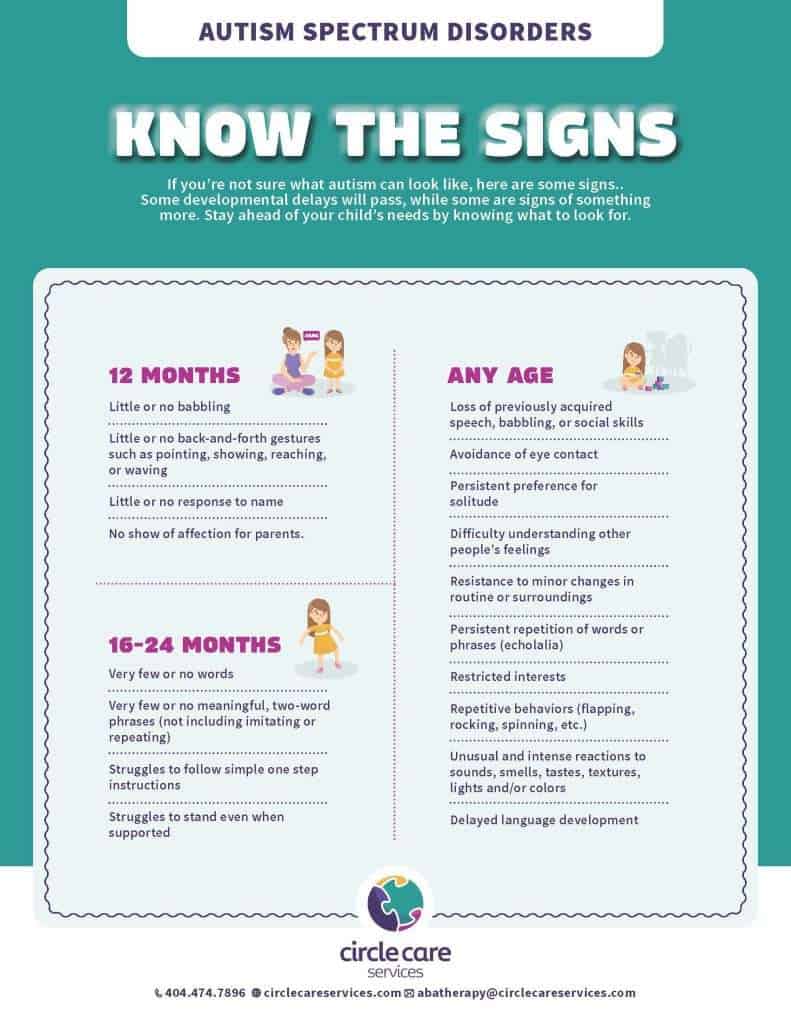
Autism Spectrum Disorder (ASD) is an incredibly diverse range of conditions, encompassing a spectrum of challenges and strengths in social interaction, repetitive behaviors, communication, and sensory processing. Every child with autism is unique and will not display all the symptoms or signs associated with the condition.
Many kids with autism may struggle with social cues. For instance, maintaining eye contact, interpreting facial expressions, or comprehending body language can be challenging. These children might not always understand unspoken rules of social interaction, leading to misunderstandings or social missteps.
In addition to these social challenges, people on the spectrum may exhibit sensory hypersensitivities. They might react unusually or intensely to sensory stimuli, such as lights, noises, tastes, or smells. For example, a child may cover their ears at the sound of a vacuum cleaner or a school bell, which most people would find merely annoying.
Another prevalent sign of autism is a deep-seated need for routine and predictability. A child with autism might get easily upset or frustrated when their daily routines are disrupted. This could be anything from having a different teacher at school to their favorite cereal being out of stock at the grocery store.
While these signs are often more visible in boys due to societal expectations and the behavioral norms traditionally associated with males, the presentation of autism in girls can be subtly different, making it less recognized and often overlooked.
Why Doctors Often Underdiagnose Autism in Girls
The notion that autism is less common in females has led to a skewed understanding of the disorder and, consequently, underdiagnosis. However, emerging insights suggest that many girls and women with autism are simply overlooked rather than being less affected.
Girls with autism often become social chameleons, adeptly hiding their symptoms by mirroring their peers' gestures, and reactions. This ability to mask makes it challenging for doctors to accurately diagnose autism. As a result, autism in women and girls is often misdiagnosed as anxiety, depression, or other mental health disorders.
Furthermore, traditional autism assessments have primarily been based on studies conducted on boys, failing to capture the unique presentation of autism in girls. These diagnostic tools overlook the subtle ways in which autism manifests in females. The consequences of underdiagnosis can be severe, depriving those girls and women of much-needed understanding, support, and resources.
Signs of Autism in Girls
Autism in girls often slips under the diagnostic radar. The symptoms in girls can easily be misunderstood as mere shyness, quietness, or passiveness. For example, a girl on the autism spectrum might find initiating or maintaining conversations with her peers difficult. She may not share the typical interests of girls her age, leading to misunderstandings and making it challenging to form and sustain friendships.
Nonverbal communication presents another set of challenges. Girls with autism may grapple with interpreting and using body language, facial expressions, or tone of voice effectively. This difficulty in "reading" others can lead to social faux pas, making it hard for these girls to fit in seamlessly with their peers.
Often, girls with autism develop passionate interests in specific subjects. This can range from anything like a particular book series to a type of animal, or even a scientific concept. While this could be mistaken for normal curiosity, the intensity and depth of these interests often set these girls apart from their peers. While this is typical of autism across the board, girls tend to retreat quietly into their interests rather than being overly vocal and enthusiastic.
Interestingly, many girls with autism exhibit a remarkable ability to "mask" or "camouflage" their symptoms. This means they observe and mimic their peers' behaviors to blend in. While this helps them fit into social settings, it makes the diagnosis more difficult and might even lead to a late or missed diagnosis, resulting in them not getting the help they need.
Conclusion
Identifying the signs of Autism in girls is a crucial step towards providing the right support. If your daughter, or you as a woman, identify with the signs mentioned above, it may be worth seeking a professional Autism assessment.
Applied Behavior Analysis (ABA) therapy is a proven, effective treatment for individuals with autism. It offers tailored strategies to improve communication, social skills, and behavior management. There's no 'right' age to begin this journey; every step taken is a step towards progress.
If you're ready to take the next step, start ABA therapy today. Sign up for more information like this and join us as we continue exploring and unraveling the complexities of autism. Together, we can challenge misconceptions and highlight the true diversity of the autism spectrum.
Let's keep this conversation alive – because every girl and woman with autism deserves to be acknowledged, understood, and supported.
Frequently Asked Questions
Why is autism often underdiagnosed in girls?
Autism in girls is frequently underdiagnosed because their symptoms are often subtler and more easily masked than in boys. Many girls with autism learn to mimic social behaviors, which helps them blend in but hides their challenges. Diagnostic tools also tend to focus on male-centered symptoms, leading to missed or late diagnoses in females.
How do autism symptoms in girls differ from boys?
Girls with autism may appear shy, quiet, or socially withdrawn rather than showing more outward or disruptive behaviors. They might have intense interests but express them more privately, and they often work hard to mimic social cues, which makes their challenges harder to detect.
What are some common signs of autism in girls?
Common signs include difficulty initiating or maintaining conversations, challenges with interpreting nonverbal cues, intense interest in specific subjects, sensory sensitivities, and a strong preference for routine. These may be mistakenly viewed as personality traits like being reserved or quirky.
Can girls with autism be socially active?
Yes, some girls with autism may be socially active but still struggle internally. They might mask their difficulties by mimicking peers, but still experience challenges in understanding deeper social dynamics or maintaining long-term friendships.
What does "masking" mean in autism?
“Masking” refers to the practice of hiding or compensating for autism symptoms by imitating the behaviors of others. While it can help girls blend in socially, it can also lead to stress, burnout, and delayed diagnosis or support.
How can I tell if my daughter may be on the autism spectrum?
Look for patterns such as sensory sensitivities, difficulties with social interaction, intense but specific interests, and trouble reading nonverbal cues. If you notice consistent behaviors that set her apart from peers, consider seeking a professional autism assessment.
What should I do if I suspect autism in myself or my daughter?
Consider consulting with a psychologist or developmental specialist for an autism assessment. Early understanding and diagnosis can lead to effective support strategies, including ABA therapy tailored to your or your child’s specific needs.
Is ABA therapy effective for girls with autism?
Yes, Applied Behavior Analysis (ABA) therapy is effective for individuals of all genders. It can help improve communication, reduce problem behaviors, and build essential life skills by creating personalized strategies that suit each person’s unique needs.

HELP FOR THE HARD PART OF THE DAY.
When the next tantrum hits... do you feel prepared, or do you feel stuck trying to figure out what to do? Get weekly emails from clinicians and parenting experts who know what to do when autism meets real life!

GOT A QUESTION?
You don’t have to be “ready” for anything to get help from our team. If you have a question about your child, ABA, screening, or anything about autism… give us a call anytime.