During the first two years of life it can be difficult to identify typical and not so typical behavior- especially if you are a first time parent. Toddlers do some surprising things, and it is easy to
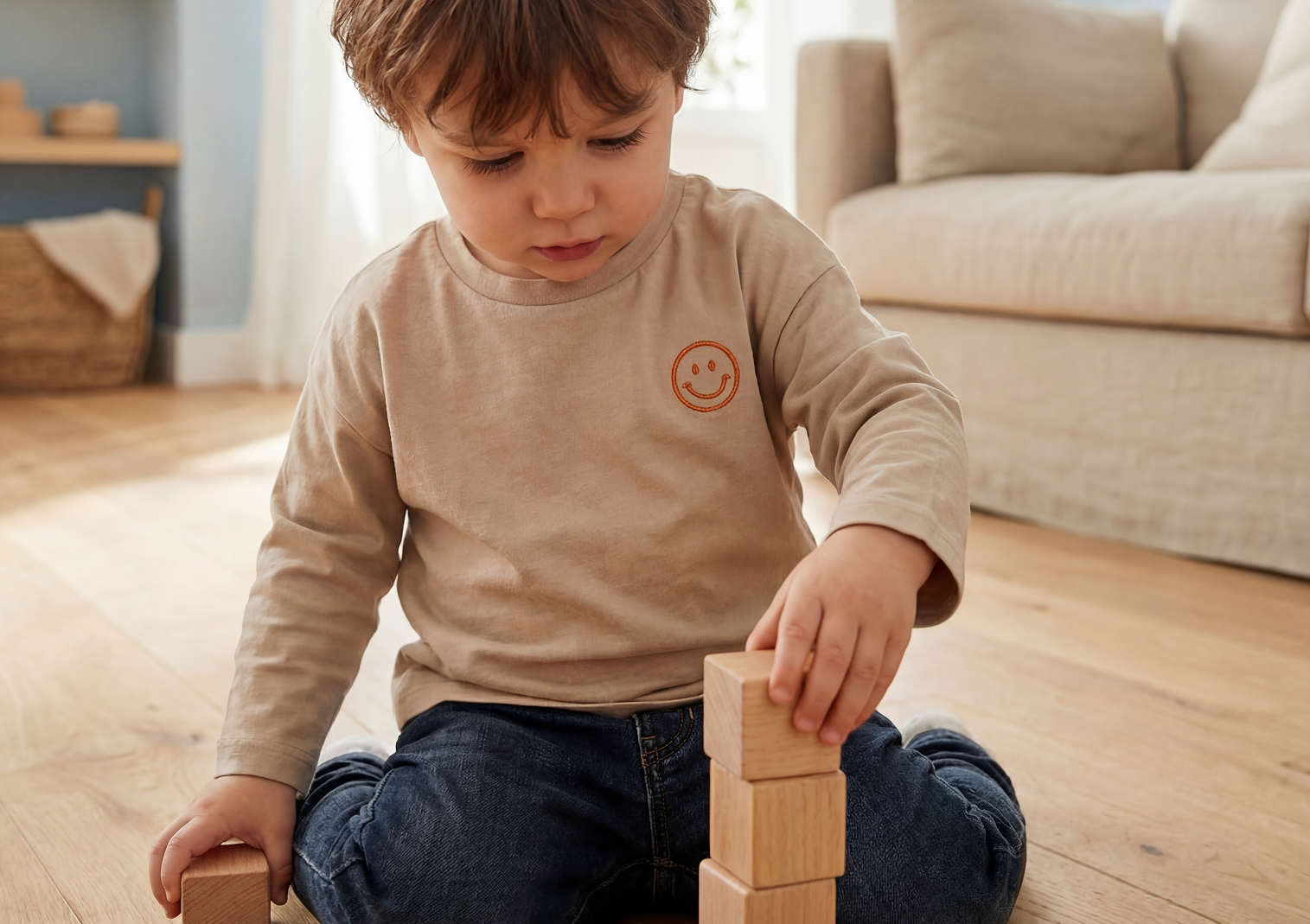
During the first two years of life it can be difficult to identify typical and not so typical behavior- especially if you are a first time parent. Toddlers do some surprising things, and it is easy to question some of their behaviors, especially when there are concerns about the possibility of your child having developmental delays.
It is easy to miss some of the early signs of autism during the first two years because language is limited from birth to 24 months of age. But, there are some signs that you can watch out for during these months that differ from typically developing peers.
Most toddlers with autism will start to sit, crawl, and walk at the appropriate time. The most significant differences in toddlers with autism will start to reveal themselves in communication, social interactions, and behavior.
Communication Signs of Autism In Toddlers
Some common communication signs may include:
- No single words at 12-15 months and no two word phrases by 24 months
- Repeats words without understanding the meaning (parroting or echolalia)
- Do not respond to their own name
- Less likely to point at objects or share objects with others
- A visible loss of language or social interactions between 15 and 24 months
Social Signs Of Autism In Toddlers
Some common social signs may include:
- Little or no eye contact
- Little or no response to parent’s facial expressions
- Does not look at objects that parent is pointing to
- Does not point out objects to parent
- Does not display appropriate facial expressions
- Difficulty understanding what others are feeling by seeing their facial expressions
- Less likely to show empathy for others
Behavioral Signs of Autism In Toddlers
Some common behavioral signs may include:
- Hypersensitivity to certain sights, sounds, smells, lights, textures, or touch from others
- Obsessed with and repeating unusual activities
- Difficulty transitioning from one activity to another
- Has difficulty deviating from established routines, rituals, and specific order
- Improper use of toys: Example- playing with parts instead of the whole toy
- May not express fear
- May not cry when in pain
- Displays stereotypic behaviors such as hand flapping, rocking, pacing, spinning, swaying, or walking on toes
At what age does a child with autism talk?

Children with autism may or may not have delays in speech depending on the severity of their symptoms of autism. Some children with autism speak early and have advanced vocabularies. Other children with autism may not show any sign of speaking during the first two years.
Although there may be some variation in the development from one child to another, there are some typical milestones for development that are useful for reference if you are concerned about whether or not your child may have autism.
If your child is showing these signs, early intervention helps. We offer ABA supportCan a child with mild autism have a normal life?
The short answer to the question as to whether a child with autism can lead a normal life is- yes!
Autism is a spectrum disorder which means that the symptoms of autism range from mild to severe in the way that these symptoms appear in each individual. The milder the symptoms, the higher the likelihood is that a child with autism will be able to overcome many of the social, communication and behavioral deficits that hinder them in their daily lives.

Toddlers with autism who are mild to moderate are also very likely to overcome many of the deficits if they receive early intervention. Although it is not impossible, it becomes increasingly challenging to work through deficits as a child gets older.
A child with mild autism can ultimately lead a very “normal”, productive, and independent life. With early intervention, a child with autism can learn the skills needed for successful navigation in communication and social interaction with peers in school. They can also work through behavioral challenges that are inappropriate in social settings such as school, work, and other public places.
Many children with mild autism who received early intervention and guidance in their developmental years are virtually indistinguishable from their peers in the adolescent and adult years.
Generally speaking, a child with mild autism who also receives ABA intervention has two distinct advantages working in his/her favor:
Growth & Maturity
The first advantage is growth and maturity. Many children with mild autism tend to “outgrow” some of the distinguishing characteristics of autism as they reach adolescence and adulthood. However, symptoms of autism are not really something that one outgrows- it is more likely that a child with mild autism learns to assimilate into various settings and situations in order to fit in.
Even though many children with autism struggle to “read the room” and take notice of other people’s responses to their behaviors- some children with mild autism can feel the rejection or the apprehension from others, and they begin to make the adjustments on their own by observing how their peers behave in a group or how they behave in certain environments.
Skills For Success
The second advantage is that ABA intervention can teach a child with autism the skills that are necessary for academic success, socializing and communicating with others in appropriate ways. ABA also focuses on increasing socially appropriate behaviors while decreasing inappropriate behaviors that cause a child with autism to be excluded from their peer groups or fall behind in school. For children with mild autism, ABA can be just what is needed to fill that gap between what they have already accomplished and what they still need to learn in order to be successful in all areas of their lives.
If a toddler with mild autism is given the right guidance and support at an early age, the chances of overcoming their social/behavioral deficits and becoming successful are high. In fact, many children with mild autism excel above and beyond their peers due to their ability to super-focus on tasks or learning, and to think creatively in an unorthodox way that many of their peers would fail to exercise. Children with mild autism often become adults with high work ethic, brilliant skill sets in their personal areas of interest, and great innovators.
What should I do if my child has mild autism?
The best thing any parent or caregiver can do for a toddler with mild autism is to seek intervention immediately after a diagnosis of autism. Children can begin ABA services as early as one year of age and continue for as long as necessary to learn appropriate life skills.
If you don't yet have a diagnosis, Circle Care can help! We are a New Jersey based ABA agency, so we're experts in the autism field. We've done all the research for you to help find a diagnositcian that meets your needs. Just fill out our diagnostician form, and someone from our team will be in touch soon!
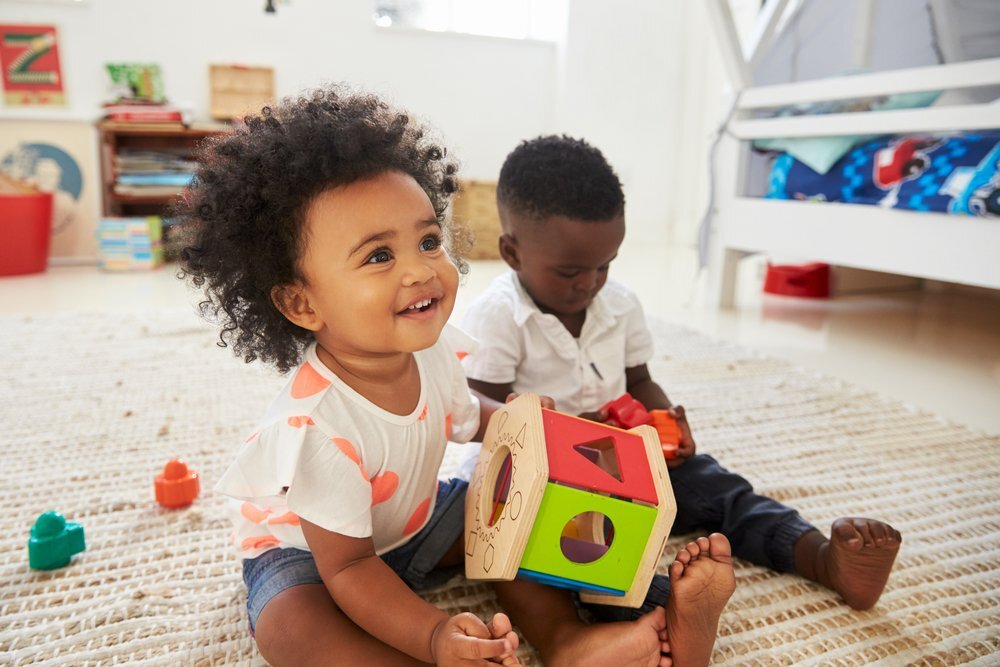
Once you have a diagnosis, Circle Care is ready to help your child! We have locations in New Jersey, Georgia and Nevada. We provide ABA services to children with autism and their families. Circle Care provides one-to-one behavioral therapy services, social skills groups, parent training, and preschool readiness programs.
Contact us at Circle Care and arrange a free consultation with one of our expert Behavior Analysts. Our Behavior Analysts can meet with you and your child to create a treatment program that meets your family’s needs and goals for your child.
We look forward to hearing from you soon!

HELP FOR THE HARD PART OF THE DAY.
When the next tantrum hits... do you feel prepared, or do you feel stuck trying to figure out what to do? Get weekly emails from clinicians and parenting experts who know what to do when autism meets real life!

GOT A QUESTION?
You don’t have to be “ready” for anything to get help from our team. If you have a question about your child, ABA, screening, or anything about autism… give us a call anytime.