Tips to Help Your Child With Autism Stay Safe This Summer
Learn sun and water safety strategies for sensory-sensitive children with autism. Get ABA tips, desensitization routines, and therapist-recommended products.
Updated on July 8th 2025
Sunshine, pools, beaches — summer comes with its own signature sights, sounds, and smells. Its own brand of fun. And its own safety hazards.
All parents tense up when they think of their little ones running near open water or wandering away in large public areas. And while flushed cheeks and sunburnt little noses can look cute, no one wants their children to suffer from severe sunburn or dehydration.
There are certain precautions that come with summer, like sunscreen, swimming lessons, and constant hydration. For children with autism and/or sensory sensitivities, that list becomes more essential as the risks are that much higher.
Sun safety
Sunscreen is a summer essential. Memories of summer days evoke the scent of sunscreen and its sheen on upturned little faces. But a child with sensory sensitivities might not take well to wearing sunscreen. Maybe the smell bothers them. Maybe they hate how it feels on their face and arms. Maybe they can’t stand the sensation as it’s rubbed into their skin.
It isn’t safe to spend so much time outside without protection from the sun’s harmful UV rays. What should you do if your child refuses to wear sunscreen?
Thankfully, sensory-friendly sunscreen does exist. There are different types — some with a drier feel, some without a scent, and some that are in roll-on, stick, or powder form.
- Blue Lizard sensitive sunscreen stick (no scent!)
- Coppertone Kids sports spray (not sticky!)
You can also minimize the need for sunscreen with UV-resistant t-shirts and sunhats. If they wear a long-sleeved t-shirt that protects against UV rays, they don’t need sunscreen on the covered parts of their arms.
Heat safety
We all love beautiful warm weather, and summer is a pleasant change from winter’s coldness. Most of us find ourselves spending more time in the great outdoors as the weather gets warmer and the days get longer. It isn’t all fun and games, though — the heat can get intense, and unfortunately, it’s all too easy to get dehydrated in hot weather.
The key to handling hot weather safely is to keep drinking. Make sure your child (and you!) stops for water breaks throughout the day, especially if you’re outside in the heat. According to the Mayo Clinic, the best thing you can drink is plain old water. Drinks with electrolytes can be great as well because we lose electrolytes when we sweat, but a lot of electrolyte drinks have large amounts of sugar. If you’re drinking water, you’re all set for good hydration.
Some great ways to keep hydrated:
- Take water bottles with you and keep them in arm’s reach of your child. The easier it is to take a sip, the more likely they are to drink. If they’re riding a bike, stick a water bottle in their bike’s cup holder. If they’re sitting on the floor, put it near them.
- Give your child ices when it's really hot outside. If you don’t want to give your child so much sugar, create your own ices from frozen herbal tea, juice, or blended fruit and water in reusable freeze pop molds or in cups with popsicle sticks.
- Make a contest out of it! Create a chart with the amount of cups your child should drink each day, and add a sticker or check off a box each time they drink. To make things more exciting, add another chart for yourself! Your child will learn that healthy habits are for adults, too.
- Get fun water bottles. A water bottle that marks how much your child drinks, one that’s their favorite color, or one with their favorite character on it can make drinking more exciting.
- Give your child snacks with high water content, like watermelon, cucumbers, lettuce, or grapes. (Most fruits and vegetables have some water in them, so any fruits or vegetables that they will eat are a smart choice for a summer snack.)
Water Safety
According to the National Autism Association, children with autism are 160 times more likely to drown than neurotypical children. That’s an awful statistic. As caregivers, it’s up to us to cut that number down.
Many children with autism are attracted to water, and many tend to wander away on their own. The most important safety tool you can give your child is to equip them with the skills to navigate the water safely. Katherine Anderson, a swim instructor who works with many children on the spectrum, sums it up succinctly. “When someone asks, ’Is my child water safe?’ For me, it’s if they fall in a body of water, fully clothed, and it’s cold outside, they can save their own lives.”
It’s important to get your child started with swimming lessons as young as possible, Katherine says. The better they can swim, the more safe they will be. Swimming also has a lot of benefits — from motor skills to social interaction — so you want your child to be able to spend time in the pool.
When you look into swimming lessons for your child, it’s important to find a good instructor. Look for someone who is experienced and has experience working with the autism population. Ask other parents about their experiences with swim schools in your area, and find out how they accommodate sensory needs and different learning styles.
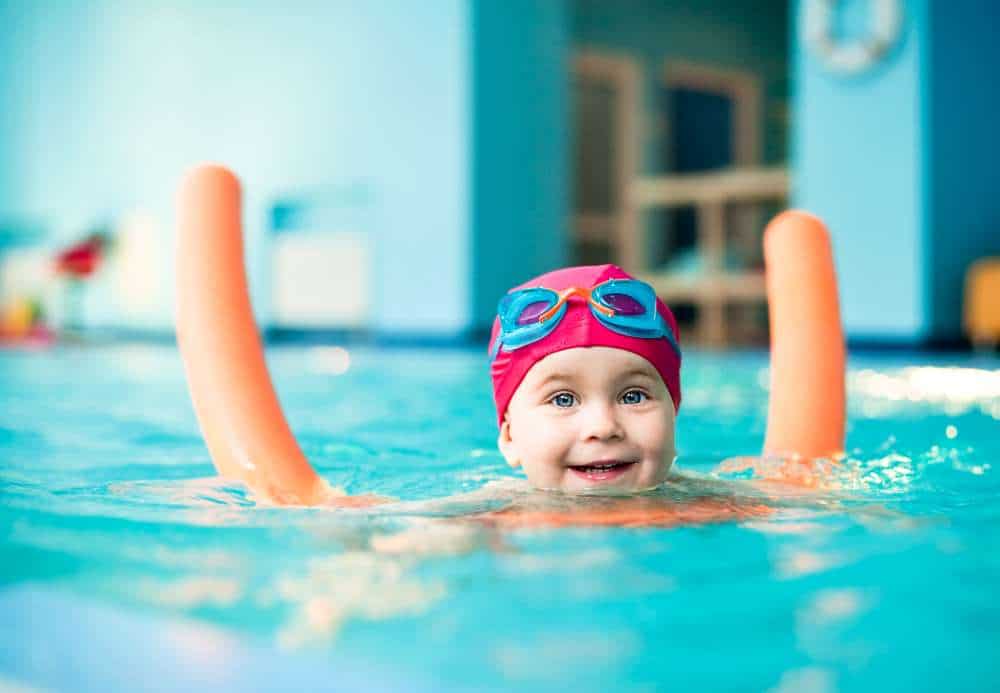
If your child doesn't like going into the pool, you can find swimwear that helps them feel more comfortable. There are bathing suits that provide compression, wetsuits, and swim headbands or hats that stop water from getting into their ears. Ask a sensory-certified swim instructor for more ideas that will work for your child’s sensitivities and preferences.
Bike and Scooter Safety
Biking or scootering isn't just about having a good time; it's also an excellent way for your child to hone their motor skills. However, as with any activity, safety comes first.
Ensure your child always sports a helmet that fits snugly. Basic road rules aren't just for drivers; make sure your child knows how to keep to the right side of the road and stay visible to motorists and pedestrians.
General Safety Tips
In the hustle and bustle of summer fun, it's easy to forget basic safety measures. But these fundamentals can make a world of difference in your child's safety.
Teach them how to safely cross the street - using crosswalks, looking both ways before stepping off the curb, and making eye contact with drivers.
Investing in an autism safety bracelet can be a wise decision, particularly for children prone to wandering. These bracelets can be inscribed with your child's name, your contact information, and relevant autism details that can help others provide appropriate help if needed.
Making the most of the summer
Taking safety precautions can take time, and at times it can feel like a pain in the neck. It’s worth it though. Your child’s safety is not something to take lightly — and when you know that they are safe, you can enjoy your summer with peace of mind. Being prepared is the best way to make sure your summer is a success, whether you’re at the beach, in the park, or just outside your house.
Have a safe and fun summer!
Use sensory-friendly sunscreen options like powder, stick, or unscented varieties. You can also use UV-resistant clothing and sunhats to reduce sunscreen use on sensitive areas.
Try different textures or formats like roll-ons, sticks, or powder sunscreens. You can also reduce the need for sunscreen by using long-sleeved UV-protective clothing and wide-brimmed hats.
Offer frequent water breaks, fun water bottles, and high-water-content snacks like watermelon and cucumbers. Homemade ices from juice or herbal tea can also encourage fluid intake.
Yes. Children with autism are more likely to wander and are at significantly higher risk of drowning. Water safety education and early swim lessons are critical for prevention.
Choose an instructor experienced with autism and sensory needs. Ask about teaching styles, sensory accommodations, and adaptive swimwear options that help your child feel comfortable.
Ensure your child wears a well-fitted helmet, follows road rules, and stays visible to drivers. Teach them to ride on the correct side of the road and watch for cars and pedestrians.
Teach basic street safety skills like using crosswalks and making eye contact with drivers. Autism ID bracelets with your contact info can also help in case of wandering.
Prepare ahead with sun, heat, and water safety strategies. When you’re confident your child is protected, you can relax and enjoy your time outdoors together.

HELP FOR THE HARD PART OF THE DAY.
When the next tantrum hits... do you feel prepared, or do you feel stuck trying to figure out what to do? Get weekly emails from clinicians and parenting experts who know what to do when autism meets real life!

GOT A QUESTION?
You don’t have to be “ready” for anything to get help from our team. If you have a question about your child, ABA, screening, or anything about autism… give us a call anytime.

About the author
Rosie Neustadt Ms. Ed, BCBA, LBA oversees our team so every client gets the best care. As a former classroom teacher, mom of 7, and BCBA for over 13 years, Rosie’s an expert on young learners and is passionate about making a difference. When she has a spare minute, you can find her reading a good book.