We certify qualifying business as sensory friendly. We’re bringing sensory awareness and accommodations to one venue at a time.
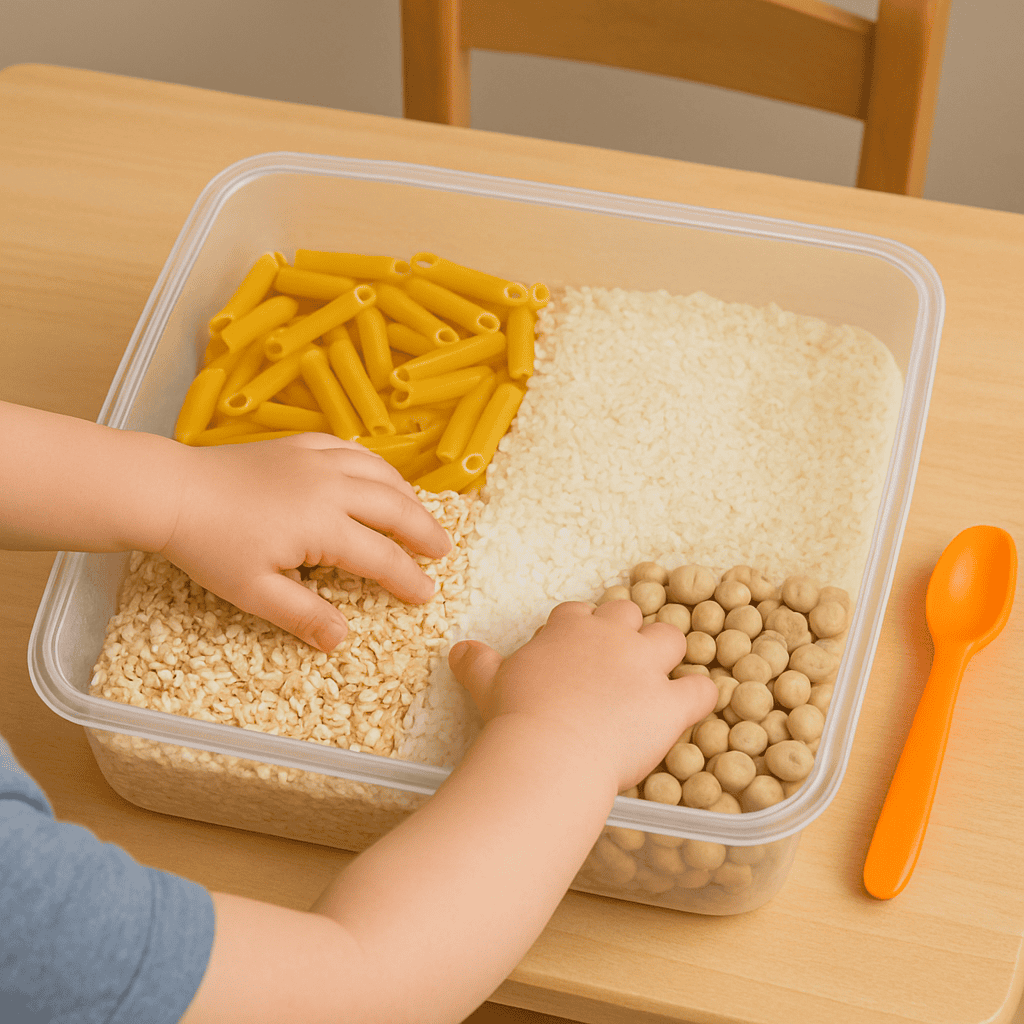
Sensory bins can work wonders for kids (and give their moms a break as they play). They may sound official, but they’re easy to make. Most sensory bins are simple containers filled with different materials. They can turn tough behaviors into chances for kids to learn and grow. They're not just fun — they help kids feel better and learn new skills.
Why sensory bins work so well
Kids with autism often feel things differently from other children. Some kids find certain textures, sounds, or sights overwhelming. Others need extra strong sensory input to feel calm. Sensory bins give kids a safe way to explore feelings and textures at their own speed.
Here's what I've learned: sensory play does many good things at once. It can calm down kids who feel too much. It gives needed input to kids who crave more sensation. Plus, it helps kids work on important skills like using their hands, talking, and playing with others.
Kids with autism often feel things differently from other children. Some kids find certain textures, sounds, or sights overwhelming. Others need extra strong sensory input to feel calm. Sensory bins give kids a safe way to explore feelings and textures at their own speed.
Here's what I've learned: sensory play does many good things at once. It can calm down kids who feel too much. It gives needed input to kids who crave more sensation. Plus, it helps kids work on important skills like using their hands, talking, and playing with others.
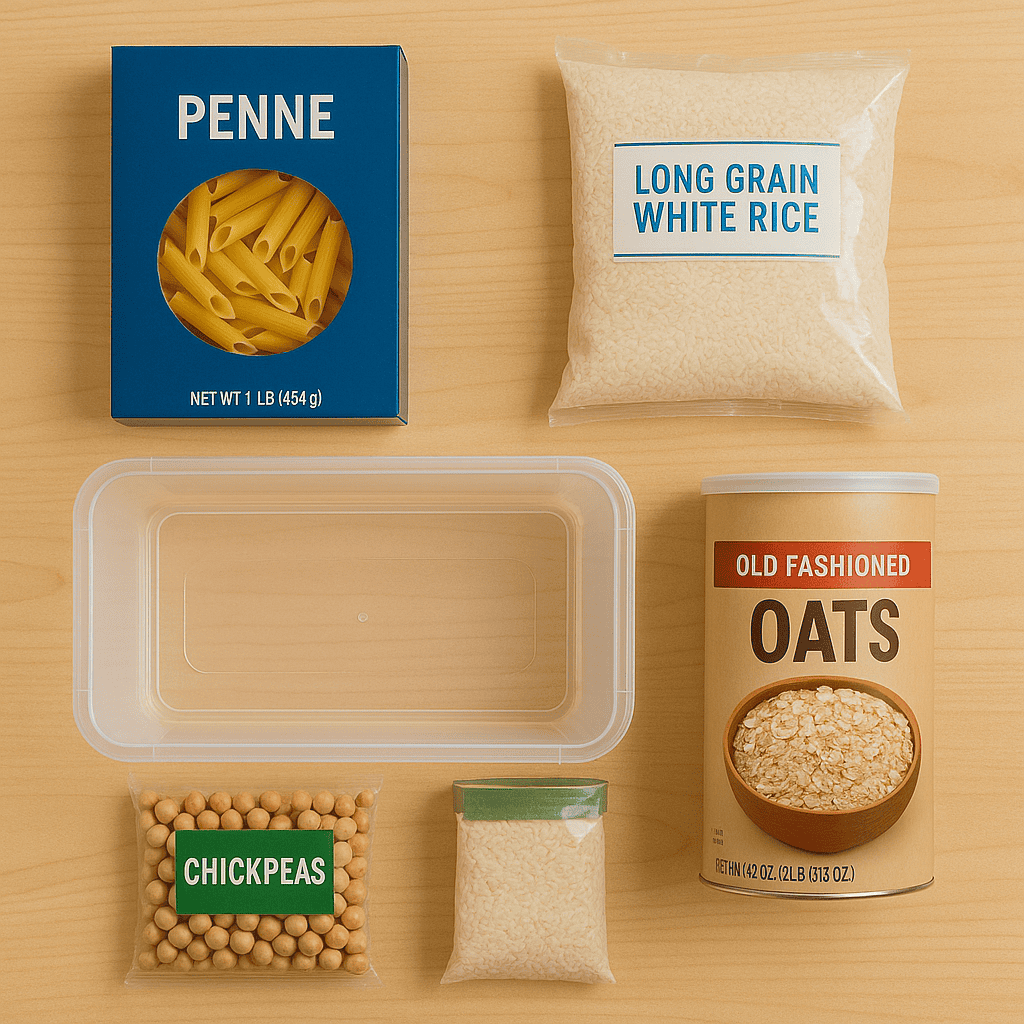
What you need for great sensory bins
Making good sensory bins starts with picking the right contents. You want sensory bin materials that your child likes, but also ones that gently push them to try new things.
Start with a box or bin of any size. Choose something durable, like thick plastic — it needs to hold up to hours of play.
Base materials and fillers:
- Rice (you can color it or leave it plain)
- Dried beans or lentils
- Different pasta shapes
- Sand (kinetic or regular)
- Water beads
- Shredded paper
- Cotton balls
- Pom-poms
- Birdseed
Add-ins:
- Containers of different sizes
- Scoops and spoons
- Tongs and tweezers
- Measuring cups
- Small toys and little figures
- Sorting trays
Start with textures your child already likes. Then add a few new materials. Fidget tools, textured balls, and weighted items can make basic sensory bin setups work even better.
Pro tip: pick sensory toys that match what your child needs. If they need heavy input, add heavy-weighted objects. For those who like light touch, include feathers or soft brushes.
Always watch your child play and make sure everything is safe for them.
DIY summer sensory bin ideas
1. Beach bins for kids who don't like messy play
Fill a big container with kinetic sand. Add seashells, small shovels, and beach toys. This summer sensory bin is perfect for kids who usually avoid messy activities. Kinetic sand feels like real sand but stays together better.
Why it helps: This activity helps kids get used to grainy textures without the mess of regular sand. The digging and scooping give their muscles good input. Since kinetic sand doesn't get all over the place, kids who don't like messes feel safer trying it.
2. Water play bins for staying calm
Fill a shallow container with warm water. Add measuring cups, floating toys, and anything that won't break when wet. For kids who find water soothing, this can be a great way to feel better when they’re upset or stressed out.
Why it helps: Water play gives kids immediate sensory feedback, and the temperature and pressure of water helps their bodies feel more organized. Many kids with autism find water very calming.
3. Pasta bins for better hand skills
Take different pasta shapes and put them in a sensory bin with tongs, spoons, and sorting containers. You can paint them first for visual appeal. This hands-on approach to playing helps kids get better at using their hands while feeling different textures.
Why it helps: Picking up pasta shapes makes hand muscles stronger. It also helps kids use both hands together better. The different textures help kids get comfortable with new feelings, and sorting them helps them think.
4. Farm sensory bin for imaginative play
Create a farm-themed sensory bin with corn kernels, toy animals, and farm tools. Use this setup to work on creative play and storytelling.
Why it helps: Themed sensory bins give natural chances to practice creativity. The different animals and tools can come naturally into a story, and you can ask your child about the animals or tools and what they do.
DIY sensory table ideas for toddlers
For younger kids, sensory tables work really well. These higher surfaces make sensory play easier to reach and help with sitting and posture.
Rotating sensory stations
Set up a few sensory bins on a low table. Put different types of materials and tools into each one, like 1 with a sand base, 1 with water, 1 with rice, etc. Your child can move from station to station to get different sensory experiences. Add 1 bin with a texture that’s new for them so they can test it out.
Why it helps: This lets kids play with materials they like and also try new textures in a low-pressure way. Moving between stations also helps kids practice transitions and being flexible.
Playing together
Use a bigger sensory bin (like a storage container) so it fits multiple kids. This way, kids can play and interact with each other and learn to take turns. Just make sure you have enough tools and toys for both of them!
Why it helps: When kids have busy hands, it’s easier to interact. They can hand each other toys and tools or work together to make piles or materials.
Kids who don't like new textures
Start with textures and toys your child already likes. Then add new materials by mixing tiny amounts with familiar fillers. Give them tools like spoons or tongs so they can explore without touching everything with their hands at first.
Why it helps: When most of the material is familiar, a few new things aren’t so overwhelming. Giving your child familiar comfort toys is often the most calming and regulating thing you can do when they’re worked up or dysregulated.
Making sensory experiences work
The secret to a good sensory bin is understanding what each kid needs. Watch how they react to different materials and change things based on what you see. Some kids need deep-pressure activities. Others need lighter-touch experiences.
Remember that sensory bins are tools for helping kids grow, but they should always be fun. Use them intentionally to help with specific goals like paying attention better, feeling less worried, or getting better at using their hands. Keep track of how your child is doing and change up the activities as they grow and change.
Sensory bins are amazing for kids with autism in so many ways. When you give your child a sensory outlet, you can create powerful tools that support their growth. They’re an easy, research-backed way to address sensory needs while building important life skills. They might get messy, but they’re worth it!
The best part? Kids love them. When learning feels like play, everyone wins.
Get started today
You don't need fancy equipment or expensive materials. A simple plastic container, some rice, and a few small toys can create hours of therapeutic play. Start small, watch your child's reactions, and build from there.
Every child is different, so what works for one might not work for another. That's okay. The key is trying different things and finding what helps your specific child feel better and learn new skills.
Remember, sensory bins aren't just about the materials — they're about giving kids safe ways to explore their world, practice new skills, and feel more comfortable in their own bodies. That's pretty amazing for something that starts with a simple container and some creative thinking.
[Apply for ABA therapy] [Get weekly tips and insights]
Frequently Asked Questions
What is a sensory friendly certification?
A sensory friendly certification is a designation given to businesses that accommodate individuals with sensory sensitivities. Certified businesses receive BCBA-led training, provide sensory tools, and create an inclusive, welcoming environment.
Why should a business become sensory friendly certified?
Certification helps families with sensory-sensitive members feel safe and included. It shows that the business values accessibility and supports a better, more inclusive world for all patrons.
What are the requirements to get certified?
Businesses must meet three prerequisites: provide staff education, offer sensory support tools, and actively accommodate guests with sensory sensitivities in their setup and practices.
What types of businesses can get certified?
Any small business or local branch of a chain can be certified. Examples include barbers, cafes, dentists, play centers, theaters, community programs, and retail stores. Others are welcome to inquire.
What does the certification process involve?
A BCBA visits your business, assesses the environment, offers suggestions, provides training, and supplies a bin of sensory tools. The process is designed to equip your team for inclusive support.
What are sensory support tools?
Sensory support tools include items like noise-canceling headphones, fidget toys, and visual aids that help individuals with sensory sensitivities manage their environment more comfortably.
What is included with the certification?
Certified businesses receive a window sticker or wall certificate, a bin of sensory items, and training from a BCBA to ensure their space is welcoming to all sensory profiles.
How can I get my business certified?
Reach out to Circle Care Services to begin. A representative will contact you to schedule a visit and guide you through the certification steps, training, and setup adjustments if needed.

HELP FOR THE HARD PART OF THE DAY.
When the next tantrum hits... do you feel prepared, or do you feel stuck trying to figure out what to do? Get weekly emails from clinicians and parenting experts who know what to do when autism meets real life!

GOT A QUESTION?
You don’t have to be “ready” for anything to get help from our team. If you have a question about your child, ABA, screening, or anything about autism… give us a call anytime.