As parents of children with autism, we’ve all seen children with autism experience sensory overload first hand. It’s not something that any child can conquer easily, and no parent enjoys seeing their

As parents of children with autism, we’ve all seen children with autism experience sensory overload firsthand. It’s not something that any child can conquer easily, and no parent enjoys seeing their child in distress.
Sensory overload occurs when a person is receiving more input from their five senses than their brain can process. Many things can trigger sensory overload, including flashing lights, loud noises, multiple conversations happening in the same room, or another person wearing strong perfume. This can prove challenging for many families, especially during the holidays, where group gatherings and festivities such as fireworks prove difficult for children with autism.
Although anyone can experience sensory overload, it’s associated with a number of conditions, including post-traumatic stress disorder (PTSD), sensory processing disorder (SPD), and autism spectrum disorder (ASD).
To a child with autism who experiences sensory overload, it feels as if everything is happening at once, and this feeling can make them overwhelmed and scared.
Being able to recognize sensory overload in your child is extremely important since it can help you better understand your child and manage their reactions in a positive and correct way.
What does sensory overload mean to a child?
Identifying sensory overload in a child can be challenging, especially if there’s no co-current condition like autism, sensory processing disorder, or PTSD.
And, as we already established, sensory overload can simply occur because the child’s young brain is still developing.
What does sensory overload look like?
You can identify sensory overload once you know what it looks like on the outside. If your child with autism displays any of the following behaviors, chances are they’re experiencing sensory overload:
- Increased movements such as jumping and spinning
- Difficulty focusing on certain things
- Talking faster and louder or not talking at all
- Covering ears or eyes from sensory input
- Restlessness
- Anxiety, stress, or fear of the surroundings
- Inconsolable meltdowns
- Refusing or insisting on certain foods or clothes
If you observe any of these behaviors in your child, have no fear. Identifying sensory overload in a child can be challenging.
Parents and caregivers often run into the mistake of attributing the symptoms to “bad behavior” until they learn how to properly understand what they are seeing. This is important because it will help them be able to do what their child needs them to do.
Although there currently are no treatments to cure sensory overload, there are many different coping strategies you can employ to help your child manage or prevent these unpleasant situations.
8 coping strategies for sensory overload
1. Know the Early Signs and Identify the Triggers
Look for signs of distress from your child that come from sensory-related triggers. Is your child covering their eyes or ears? Are they feeling restless? Are they refusing to eat certain foods?
Encourage your child to communicate what’s causing them to feel frustrated, angry, agitated, or any negative emotions associated with sensory overload. This will not only improve your understanding of your child but will also help you identify trigger situations that need to be avoided in the future.
2. Learn to de-escalate the situation, and avoid overreacting.
A child experiencing a sensory overload can become physically or verbally aggressive, or have a completely irrational meltdown. It’s normal to be concerned about this behavior, but the last thing you want to do is overreact when your child suddenly becomes triggered. They’re already feeling overwhelmed, and reacting by stirring drama will only stress them out even more and worsen the situation.
Instead,
- Give your child space to escape and express their emotions.
- Use simple language or no words at all. This limits the input they are getting and helps the brain to settle down.
- Give your child his favorite things/activities that help him feel happy and calm; his favorite music to listen to; a calming video to watch, a book to read, or even walking away for a short period of time to air out.
- Try using sensory regulation toys to help ground your child.
3. Accommodate your child's preferences
Helping your child cope with sensory overload may require a great deal of accommodation and some sacrifice on your part.

Whenever you’re out in public places, you want to make sure your child isn’t getting too much stimulation from their senses, which can trigger sensory overload.
Things you can do to prevent this from happening include:
- Avoiding crowded areas
- Make a list of the things you want to buy beforehand for a quicker shopping experience.
- Wearing sunglasses or any protective gear when you are outside
When going out to socialize, you can:
- Meet up one-on-one with your friends.
- Choose a quiet venue.
- Avoid making conversation while doing something else.
- Rest and feed your child well before going out.
You can also try to embrace the joy of missing out, or “JOMO”, but if you’re a particularly social person, this can prove to be a huge challenge for you, but your efforts will certainly pay off in the long run.
4. Remove Causes for low tolerance.
Coping with sensory overload isn’t all about avoiding triggers and making adjustments when going out to public places or socializing with friends.
It’s also about ensuring your child is well-rested, well-fed, and well hydrated. After all, any child, even one who doesn’t have the added stress of sensory overload, will have less patience, and stronger reactions when hungry, tired, or thirsty. Being proactive to remove these causes of irritability will go a long way and prime your child with autism in the best position to cope with the sensory overload.
5. Consider therapy
Sensory integration therapy (SIT), which was designed to help people with sensory processing issues, such as sensory processing disorder, is a therapy provided by trained occupational therapists. In a nutshell, SIT involves exposing a child to different stimuli in a safe, play-based environment to gradually reduce their hypersensitivity.
To modify the environment for better therapy, the therapist may do things like soundproofing the room or changing artwork or other visual stimuli in the room.
6. Reduce visual stimulation
If you don’t experience sensory overload yourself, you may not be immediately aware of visual stimuli that could trigger your child’s sensory overload. To prevent your child from getting overwhelmed at home, you could do simple things like:
- Reducing the items that hang from the ceiling or walls
- Keeping small items away in bins or boxes and organizing and labeling the bins
- Using darker bulbs instead of bright bulbs
- Using blackout curtains or sunshades to minimize light
7. Give your child time to recover
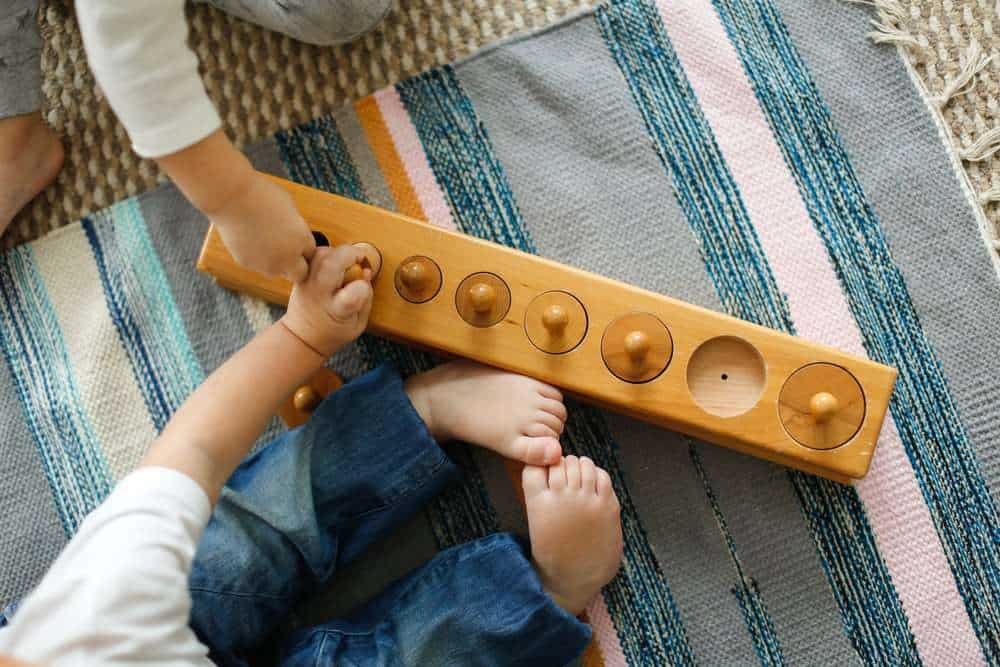
Going through bouts of sensory overload can be exhausting, and it can take minutes to hours to fully recover from an episode.
Sensory overload can stress your child out, and it’s important to understand that. Your child may want to count to ten, listen to music, watch a calming video, or simply take some time alone. Whatever works best for your child is the best way for them to recover. Realizing that they need this time to destress will reassure you that your child will be back to himself in due time, making walking away easier for you to do.
8. Medications
Although less commonly used to treat sensory overload in children with autism, medications can prove to be very helpful in dealing with symptoms.
Antipsychotic drugs such as Abilify (aripiprazole) and Risperdal (risperidone) are sometimes prescribed to reduce aggressiveness and irritability.
And, if your child displays signs of ADHD, drugs like Strattera (atomoxetine), Ritalin (methylphenidate), and Tenex (guanfacine) can also be prescribed.
Conclusion
If you’re a parent whose child with autism is experiencing sensory overload, it’s perfectly normal and okay to be concerned.
However, your child’s life doesn’t have to be defined by this fairly common condition, thanks to the many coping strategies you can employ. Whenever you do things like looking for signs of distress, taking special care when socializing and going out in public, reducing your child’s visual stimulation, and giving them time to recover, you’re bringing your child closer to living a happier, healthier, and more fulfilling life.
Interested in helping your child with autism and improving their quality of life? Contact Circle Care so we can discuss what your child needs to develop and grow. Also, join our email list and learn some of our tips, tricks, and helpful information about ABA and parents with children with autism.

HELP FOR THE HARD PART OF THE DAY.
When the next tantrum hits... do you feel prepared, or do you feel stuck trying to figure out what to do? Get weekly emails from clinicians and parenting experts who know what to do when autism meets real life!

GOT A QUESTION?
You don’t have to be “ready” for anything to get help from our team. If you have a question about your child, ABA, screening, or anything about autism… give us a call anytime.