Experience the transformative impact of ABA hierarchy on nurturing growth through guided learning.
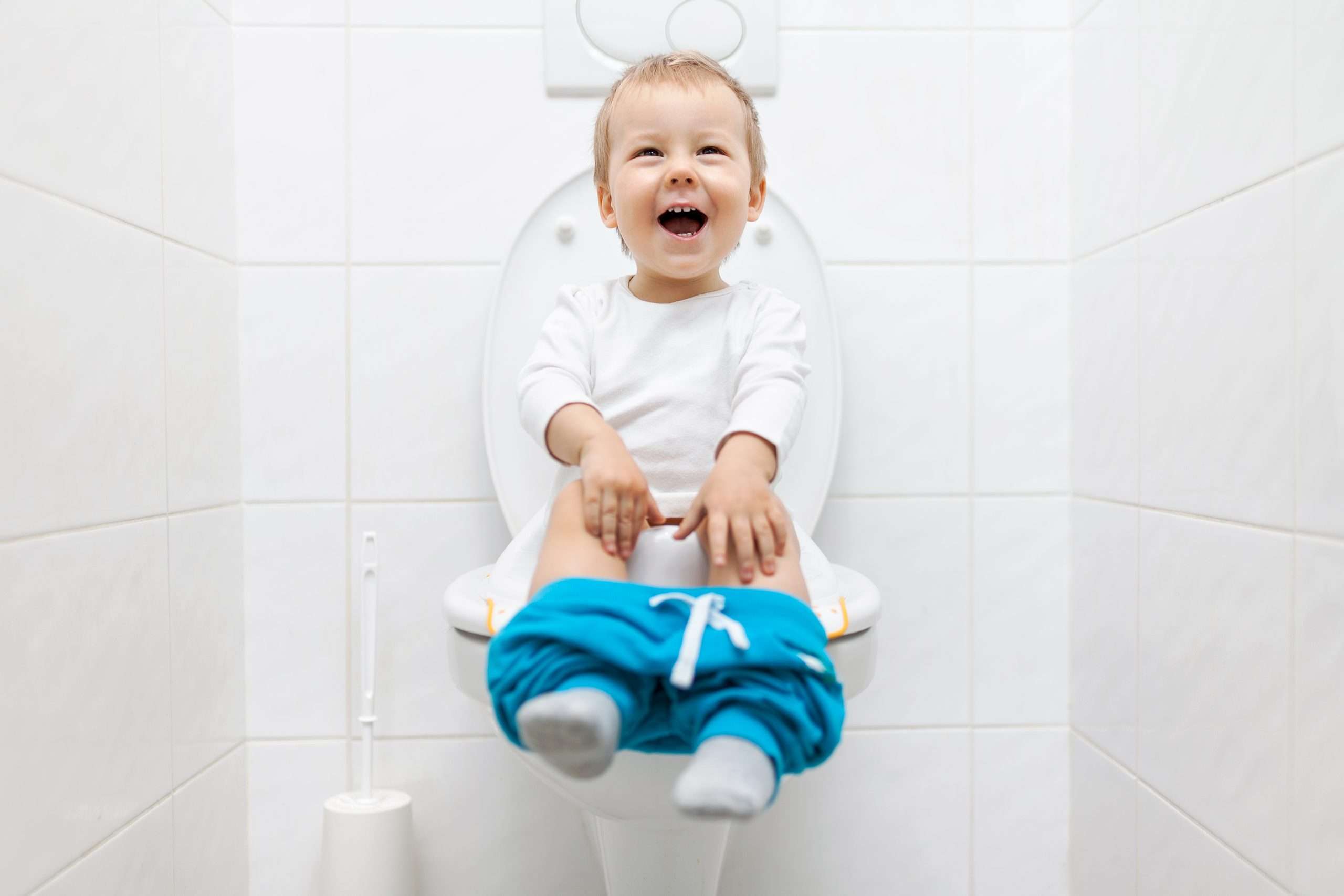
Toilet training is always a challenge. For kids with autism, there are additional sensitivities that can make it harder. Sensory issues, communication struggles, and difficulties with fine or gross motor skills can make it harder to teach toddlers to pull their pants up and down, clean themselves, and wash their hands. They might find it hard to stick to a potty training schedule. What’s more, many children with autism don’t naturally pick up on healthy bathroom hygiene habits. Handwashing and showering for kids with autism can also be a challenge, adding to the hygiene concerns.
Straightforward learning techniques and positive behavior supports can help you create the best hygiene and potty training experience for yourself and your child. Here’s how.
Sensory issues and bathroom hygiene
Many children with autism have sensory processing challenges that make it hard to potty train. Some children might not realize when they need the bathroom, and some children might enjoy the sensation. Sensory difficulties also make it challenging for children to clean themselves, whether because they don’t like how cleaning feels or because they don’t register when they are dirty.
Many children with autism also have a hard time communicating. They might not know how to tell you that they need to go to the bathroom.
Many potty training methods focus on helping the child realize when they need to go. That’s extremely important, but there’s something else that’s just as vital: cleaning themselves after they go. This topic is not as widely addressed, but it’s important to plan for.
A new approach to personal hygiene
A recent study showcases a novel way to teach children with autism to clean themselves properly after using the bathroom. It’s been tried, tested, and proven to be effective. You can read the full research article here — but I’m going to walk you through it as a step-by-step process so you can replicate it yourself.
This approach focused on teaching children to differentiate between clean and dirty. It was taught in a structured way, with prepared visual aids to help the learners see what they were learning. .
What you’ll need
- 5 blank cards (clear plastic if possible)
- A roll of toilet paper
- Sunflower butter
- An applicator (like a knife)
- A toilet paper dispenser
- A plastic doll (don’t use fabric!)
- A pretend potty
- A detailed process script
- A picture schedule
Label
This first step is where you teach your child to label the difference between clean and dirty. Knowledge is the first step of doing anything!
Prepare 5 cards with a square of folded toilet paper on each. 1 card’s toilet paper should be clean, and the other 4 should have different amounts of sunflower butter to represent different levels of dirtiness. (You can also use peanut butter — the experimenters used SunButter because of allergy concerns).
Then, hold up each card and ask, “Is it clean or dirty?” You’ll answer yourself — either, “It is clean” or “It is dirty.” Then repeat the sequence 4 times: hold up 1 card, ask if it is clean or dirty, and prompt the answer. Each time, prompt your child less and less — until in round 5 don’t prompt their answers at all. When your child answers correctly, give them positive reinforcement like a small treat or even just a cheer.
Identify
Next, you want to help your child identify clean from dirty (and what is neither).
Set up 3 cards: 1 clean, 1 dirty, and 1 blank (with no toilet paper at all). Then sit down with your child and say, “Touch clean” or “Touch dirty.” If the child touches the wrong card, prompt them until they get the correct one. Whenever they answer correctly, give them positive reinforcement.
Do this a few times so your child can practice their identifying skills.
Simulate
Once your child recognizes the difference between clean and dirty, they can move on to practice.
Prepared a plastic doll with SunButter on its bottom. Then, read out the steps of cleaning oneself and show your child a picture. As you read through the process, have your child do each step on the doll to clean it.
Then, put more SunButter on the doll and give it to the child. This time, don’t read the script or point to the pictures — but leave it there for your child to look at if they aren’t sure what to do. As your child completes each step, praise them and give them a small treat. If they missed a step or did it incorrectly, prompt them until they complete it correctly.
Remember, practice makes perfect. Keep practicing this step until your child masters pulling the toilet paper, tearing it off, scrunching or folding it, and cleaning the doll. And don’t forget to show them what to do with the used toilet paper!
Generalize
Now that your child has the knowledge, it’s time to put it into practice.
The next time they have a bowel movement at home, practice with them. Help them wipe themselves and look at the tissue. Ask them “Is it clean or dirty?” and prompt them if they need help. Once they get that right, show them what to do next. Help them wipe until they’re clean and dispose of the toilet paper.
If possible, keep track of their responses so you can see how long it takes and how effective this training is for them.
Other potty training resources
The biggest gift you can give your child is the gift of new skills. And the skills of caring for themselves might be the most vital gifts you can give them. It can be challenging to teach these skills, but it is doable — and so rewarding when your child masters them.
Here are some useful potty training tools, devices, and resources that can help make the training process easier.
- A potty training guide on our blog — this resource takes you through the process, starting with how to determine if your child is ready.
- The potty training watch by Benny Bradley — this waterproof, child-friendly watch reminds your child to go to the bathroom and comes with an adorable ebook.
- A guide to teaching handwashing from the Child Mind Institute — this article walks you through sensory friendly hand washing for kids with autism.

HELP FOR THE HARD PART OF THE DAY.
When the next tantrum hits... do you feel prepared, or do you feel stuck trying to figure out what to do? Get weekly emails from clinicians and parenting experts who know what to do when autism meets real life!

GOT A QUESTION?
You don’t have to be “ready” for anything to get help from our team. If you have a question about your child, ABA, screening, or anything about autism… give us a call anytime.