Family dynamics can change drastically when you have a child with autism in the family. Something as simple as going to the grocery store can take careful planning and accurate timing in order to acco

Family dynamics can change drastically when you have a child with autism. Something as ordinary as going to the grocery store can take careful planning and down-to-the-minute timing to accomplish. Something bigger like planning a trip to an amusement park can take intensive preparation, back-up planning, and additional family members or friends to even consider.
It’s hard to find activities that are doable for kids with autism and their families, but that doesn’t mean you need to stay home. There are activities you can do with an autistic child that your whole family will enjoy.
Why It’s Important To Include Children With ASD In Family Activities
Inclusion is important for a child with autism. The best way for a child to learn how to behave appropriately is to see appropriate behavior in action. This applies to home and school settings, but it always starts at home with family, where a child spends most of their time. The goal is always to promote greater independence which will give them (and their caregivers!) a higher quality of life.
Exposure to new environments, new tasks, new activities, and new people are extremely important because it is real life in action. A typical day for most of us can be filled with new faces and unexpected situations. We have to communicate, problem solve, and perform certain tasks. The best way for a child with autism to learn these skills is to see them in action and to try them out themselves.
Given enough opportunities, a child with autism will learn and grow from a variety of experiences and challenges which leads to satisfaction and enjoyment of new things. This can lead to a greater sense of self confidence in a child with autism. Self confidence will, in turn, increase their willingness to try new things.
Repeated exposure to a variety of experiences and constant encouragement to do things independently are the greatest gifts you can give to a child on the autism spectrum. Typically, most children with autism are rigid in their routines and activities and it takes a lot of support and prompting from close family, friends, and teachers to branch out and try new things. Yet, it is one of the most important things that we can do to help a person with autism to discover and cultivate a life with peers of the same age, in work environments, and in social settings.
How to promote autism inclusion in family activities
The best place to start with including your child in family activities is by starting with what your child with autism likes. If your child likes to draw or color, you can make it a family activity. Have everyone sit at a table together and create artwork together. It’s simple and creates a sense of togetherness for the family — especially for the child with autism.
Expand on this a bit and prompt your child to participate in something new with the family. Go to the park and play ball. Take a short hike or nature walk somewhere. Choose an activity that is brief, easy, and out in the open in order to keep the chances of being overwhelmed nice and low.
Staying with activities your child loves is a sure way to know they’ll enjoy it. But you don’t have to stay low-key. There are other ways you can enjoy an outing with your family.
Choose sensory-friendly locations or make accommodations
As autism awareness spreads, there are more and more activity centers that offer ASD inclusion. There are sensory-friendly activities and eateries that welcome people with autism and offer special accommodations.
You can look for autism inclusion activities and/or sensory-certified venues to visit. Some, like ChildWay Art Studio, are certified through Circle Care’s sensory certification program. This unique art studio welcomes families and children on the spectrum, providing a fun sensory experience that’s enjoyable for everyone, from parents to toddlers.
You can also visit other venues if you make small accommodations. You can ask a local trampoline park when their quietest hours are, or if there’s a room that is mostly empty. You can go out equipped with noise-cancelling headphones and sunglasses to block out loud sounds or bright lights. If there’s an activity you want to try with only 1 aspect that won’t work for your child, reach out to see if the staff can modify it.
Prepare your child
When your child knows what to expect, they’re less likely to be thrown off by the things they encounter on your outing.
Before you start off on your activity, give your child a social story about what you will do so they know what will come later. Make sure to mention that there are some things that might come up that we can’t predict but it will be okay.
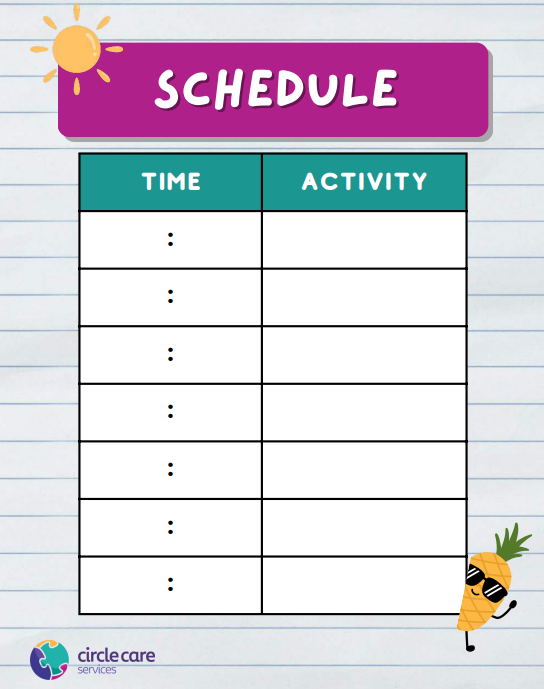
You can also share a visual schedule with them. Show them what you will be doing and when. This way, they have an idea of what is coming and they will feel safer venturing out. It also gives them a good idea of how long they will spend at each place on your outing, helping them stay calm and unstressed.
Plan for backup
Plan for the things that don’t go as planned. There’s no way to know what will come up, but chances are that something will — so be ready.
Pack comfort items and preferred snacks in case your child will need something to help them regulate. Assign a quiet break area when you arrive so your child can move there if they need a break. And educate your family members on what your child needs and what they can do so they can step in if it’s necessary.
How to find autism inclusion activities
You can find great venues for your family by asking other parents, looking on forums, or checking out autism support organizations. Organizations that help individuals with autism and their families like Autism Speaks, IACC, and AANE all have helpful information on their websites and can point you toward venues that you, your child with ASD, and other family members will enjoy.
You can also look out for local businesses that are certified under Circle Care’s sensory friendly certification program. These businesses have all received educational training on how to support children with sensory sensitivities and can provide sensory accommodations. Look for the sticker in the window that certifies a business as being sensory friendly.
Depending on the level of your child’s autism, there can be a laundry list of variables and obstacles to work through in order to make family activities and outings a pleasant experience. But having a child with autism doesn’t mean that the world stops and life as you once knew it is over. It simply means that what you do as a family has to be done with a little different perspective and with some considerations that will help you have a good experience when you go out.
Frequently Asked Questions
Why is it important to include children with autism in family activities?
Inclusion helps children with autism develop essential social and life skills through real-world experiences. It boosts confidence, encourages independence, and promotes a better quality of life.
How can I start including my autistic child in family activities?
Start with activities your child enjoys. For example, if they like drawing, make it a group activity. Then, gently introduce new experiences like a quiet park visit or a nature walk.
What are some autism-friendly activities for families?
Visit sensory-certified venues, enjoy quiet parks, or schedule activities during off-peak times. Bring tools like noise-cancelling headphones to make outings more comfortable.
How do I prepare my child with autism for a new outing?
Use social stories and visual schedules to outline what will happen. This reduces anxiety by setting expectations and offering reassurance that unexpected events are okay.
What should I do if my child gets overwhelmed during an outing?
Have a backup plan, such as a designated quiet space or comfort items. Pack preferred snacks and inform family members about how to assist if needed.
Where can I find autism-inclusive venues?
Check with autism advocacy organizations like Autism Speaks or AANE, or look for businesses certified by Circle Care’s sensory-friendly program, which display a certification sticker.

HELP FOR THE HARD PART OF THE DAY.
When the next tantrum hits... do you feel prepared, or do you feel stuck trying to figure out what to do? Get weekly emails from clinicians and parenting experts who know what to do when autism meets real life!

GOT A QUESTION?
You don’t have to be “ready” for anything to get help from our team. If you have a question about your child, ABA, screening, or anything about autism… give us a call anytime.